Chris Inglis
Romestead is an action-adventure survival game developed by Beartwigs and published by Three Friends and launched into early access on May 26, 2026. The game manages to fuse top-down survival crafting, ARPG dungeon crawling, and deep village management into an addictive sandbox gameplay loop that is incredibly polished for an early access launch.
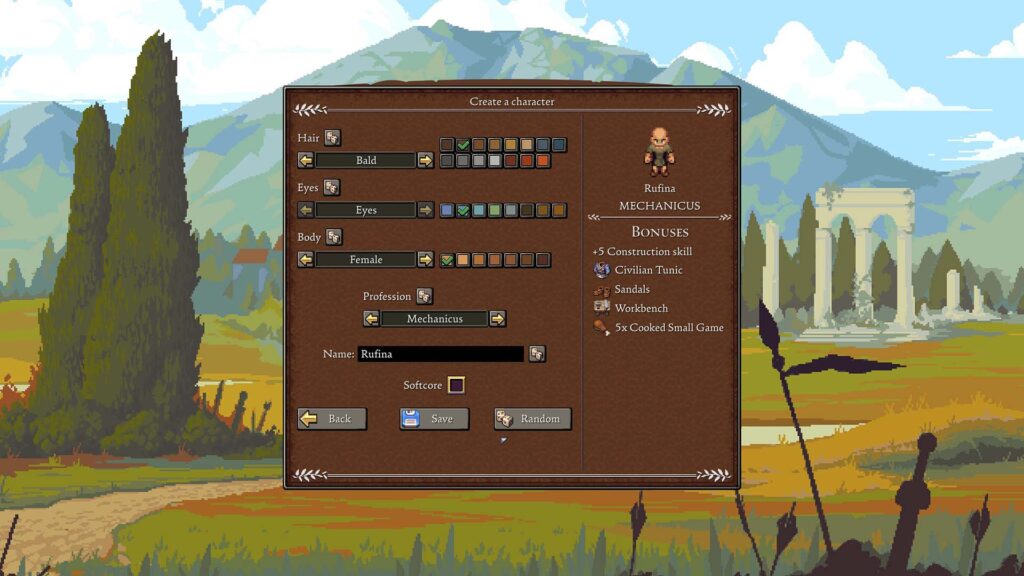
Rome has fallen! Rebuild civilization in this action-adventure survival game for 1-8 players. Fight hordes of the walking dead, build settlements, restore the Roman gods… or kick back and farm with friends. What sets Romestead apart immediately is its physical resource management. While you have a standard personal inventory for smaller items, heavy core materials like logs and chunks of copper or iron are too large to go into your bags. You must physically carry them one chunk at a time or build a cart and carry them in bulk. What’s cool is you can drive the cart over the ore, and it will auto-load the cart. It has limited capacity but it sure beats running them back one by one. Be warned though as pesky undead ghoul can run off with your cart if you’re not careful.
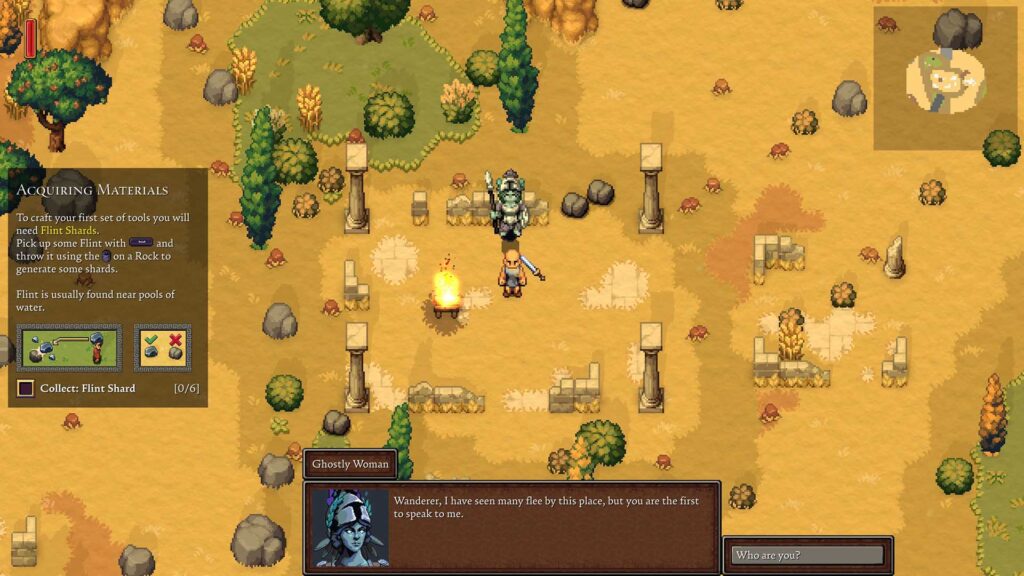
Combat plays like a smooth, top-down ARPG reminiscent of classic Zelda, but with a modern progression system. You need to time your attacks and know when to dodge as getting hit takes a heap of hitpoints. The beauty of this game is that it automatically switches your pickaxe or hatchet when you whack a rock or tree, to your weapons to fend off enemies. Your off-hand handles ranged combat seamlessly, leaving your main hand free for heavy melee weapons like spears or swords. Romestead does have a punishing death system where you will drop everything in your backpack except what you had equipped. A death marker is placed on the map so you can run back to get your loot, but you will likely have to fight your way to it. Some people won’t like this but I love the risk versus reward thinking when you delve into a dungeon. Are you willing to lose what you are carrying if you die?
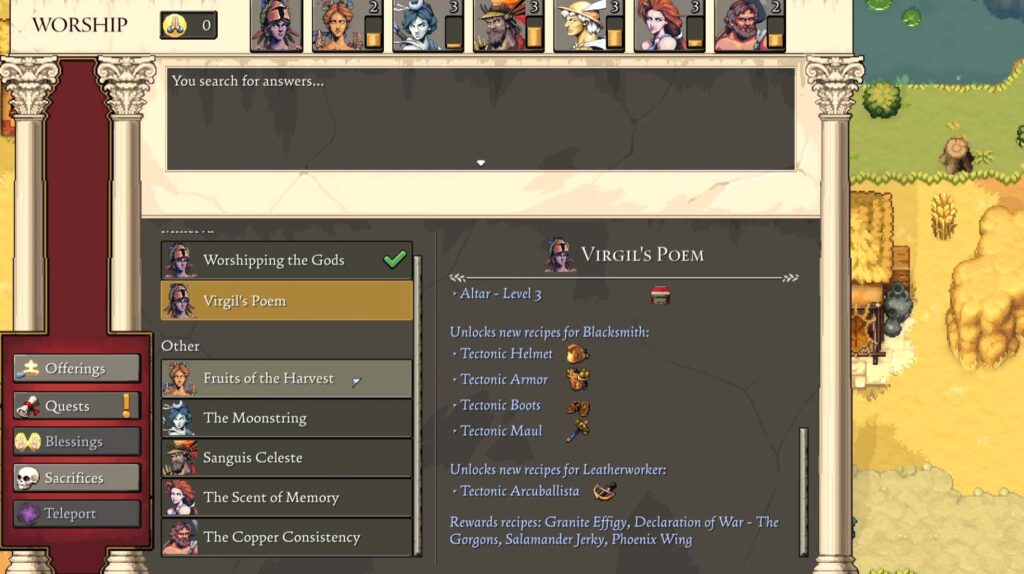
To overcome these steep challenges, you explore and find caves, orc huts and other mini dungeons which will always net you better loot. Don’t forget to bash down the torches, vases and even the treasure chests themselves as most items will have parts that will be helpful for your village. The better loot you find can be used at your altar which will open up the worship system. By making sacrifices (yes, your poor villagers) and offerings at the altar, you appease the Roman pantheon to unlock unique tech trees, powerful passive buffs, and divine upgrades that give you the edge you need to conquer each biome. They will also eventually give you quests which will help unlock new crafting stations and new magic items that will be better than anything you could craft before.
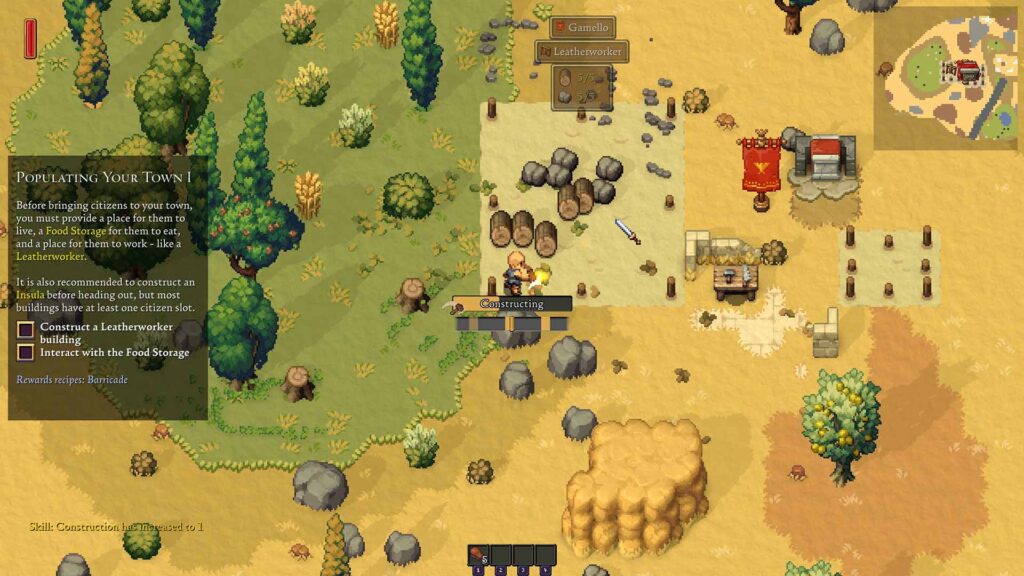
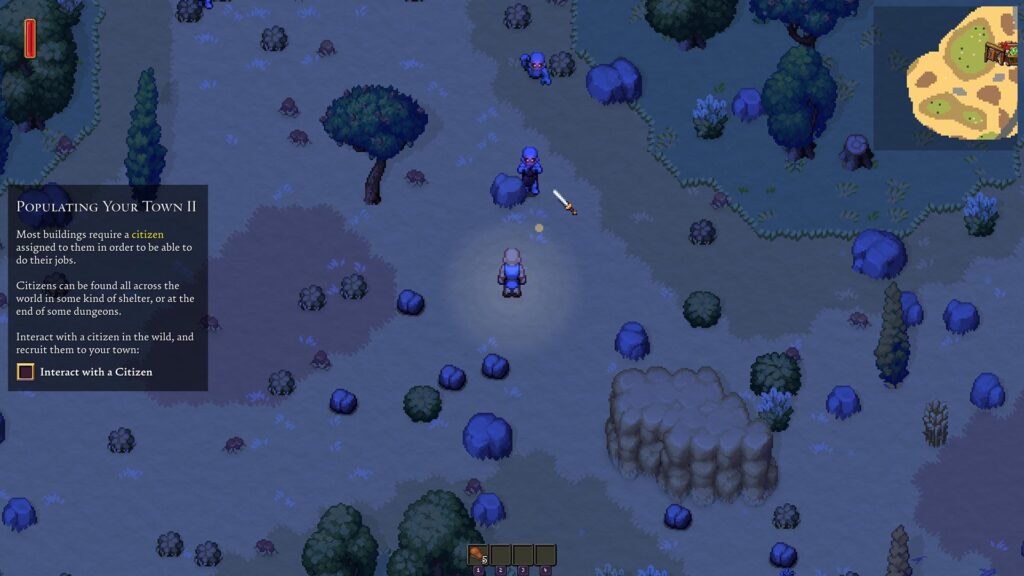
While the survival and dungeon diving are solid, it’s the village building where the game hooks you in and your creativity can shine. It taps right into that cozy, satisfying feel of building a village brick by brick. You can craft a blueprint, place it on the floor and it will tell you how many stone or logs it requires. Go and collect the items, place them in the plot then activate the building which has a little crafting mini game to strike at precise moments. As you explore the lands you will come across other npc survivors. Talking to them allows you to send them back to your village and assign them a job (or sacrifice them at the altar). You can recruit specialised artisans like leatherworkers, farmers, and carpenters to automate production lines. Though you can also do manual labour youself such as the mill to make flour, olives and other items. There is also a food storage building where you need to keep food piles to keep your citizens fed and happy.
Progression in Romestead is biome-based where you explore, gather resources, craft better gear, restore the gods through offerings and sacrifices, defeat bosses to unlock the next crafting tier, and take on the next biome. As your borders grow, the game lets you physically place down and expand a network of stone roads, which gives your character a noticeable movement speed buff. Visually, the game uses a highly detailed, beautifully executed pixel art style. The attention to detail is fantastic—tall grass flattens dynamically under your feet or shears away when you swing a blade, woodchips and pebbles scatter realistically during gathering, and blacksmith furnaces cast a warm, flickering glow against the rising night.
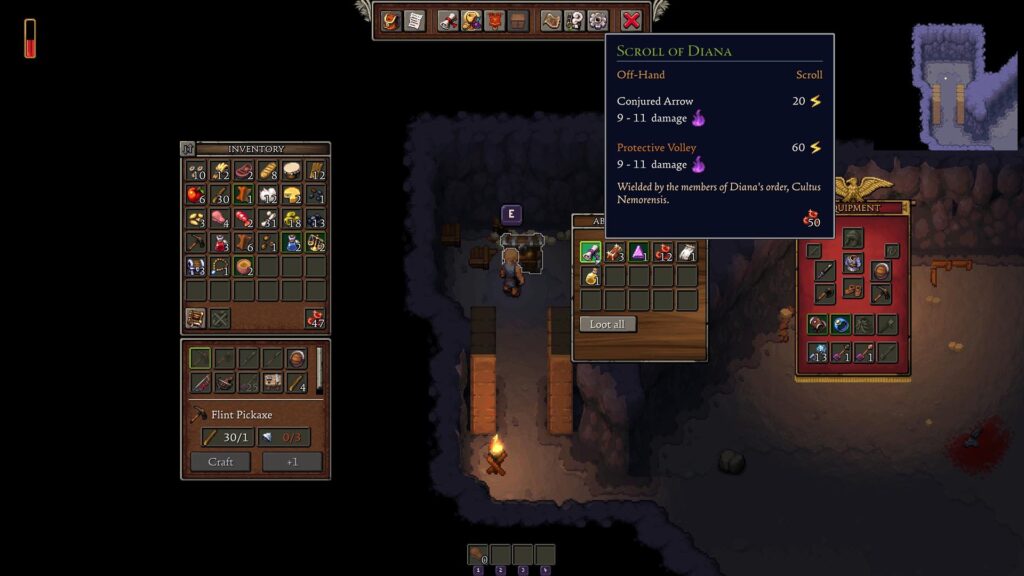
On the technical side, the game runs beautifully, handling multiplayer scaling smoothly whether you are playing solo or co-op. The developer community interaction has already been stellar, with hotfixes rolling out within 24 hours of launch. They have stated there won’t be a roadmap immediately and they want to take a moment to get their bearings after the launch rush and digest initial feedback before putting one together.
Overall, Romestead is a rare early access title that feels complete and polished already. For the sheer volume of content, depth of mechanics, and addictive gameplay loop, this is an easy recommend for any fan of survival crafters or colony sims. I am keen to watch the game develop over the early access period and will return regularly.
This review utilised a key provided by Swipe Right and Romestead is available now on Steam early access.
#roundtablecoop