Chris Inglis
Set in 20 BBY during the twilight of the Clone Wars (roughly a year before Revenge of the Sith), Star Wars: Zero Company takes us behind the major war scenes to the galactic underworld. You step into the boots of Hawks, a disgraced former Republic officer attempting to rebuild after a disastrous operation wiped out their clone squad. Developed by Bit Reactor and published by Electronic Arts, the game finally releases today, August 27, 2026, on PC and consoles, and is one of the grittier scoundrel stories in a Star Wars video game over the last 30+ years.
Hawks commands Zero Company which is a rag-tag crew of mercenaries starting with a Rodian, Trick, a clone trooper, and Kabb Uppercut who is a Felshi, a new race developed for the game by the original Clone Wars designers. Later you are joined by a host of different species and classes, including a Jedi padawan, a Mandalorian and more. Hawks is contracted by Republic Intelligence to dismantle the Infinite Coil. Led by Kundri Fathom and Lieutenant Visser, this Separatist-aligned cult destabilises planets for droid invasions through sabotage, terror, and a bio-synthetic affliction known as the shadow plague.
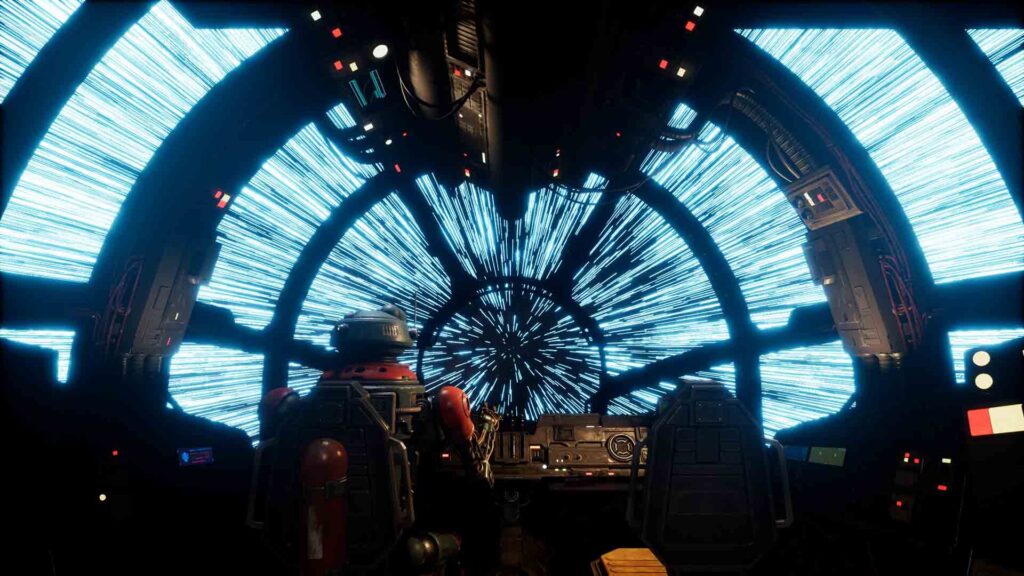
You can read my first impressions of the game here, however for any Star Wars lore buff, the story is an absolute treat. Beyond iconic cameos like Matt Lanter reprising his role as Anakin Skywalker alongside Dee Bradley Baker’s stellar clone performance, the campaign expertly grounds itself in recognisable events from The Clone Wars era. Similar to experiencing new exploration planets in Star Wars Outlaws, it was incredible visiting fan-favourite worlds like Bespin, Lothal, and Tatooine while seeing the broader war effort play out. Even better, Bit Reactor expanded the galaxy by introducing brand-new, never-before-visited worlds tailored specifically for this conflict.
Deploying your squad to newly created locations such as the crystalline mining world of Vespera Prime, the toxic industrial swamps of Karis-4, and the ruined Separatist stronghold on Oakhaven adds a genuine sense of discovery. In between the action, being able to look up into the sky and watching full-scale fleet battles rage while taking on gritty ground objectives makes the galaxy feel vast, interconnected, and alive.
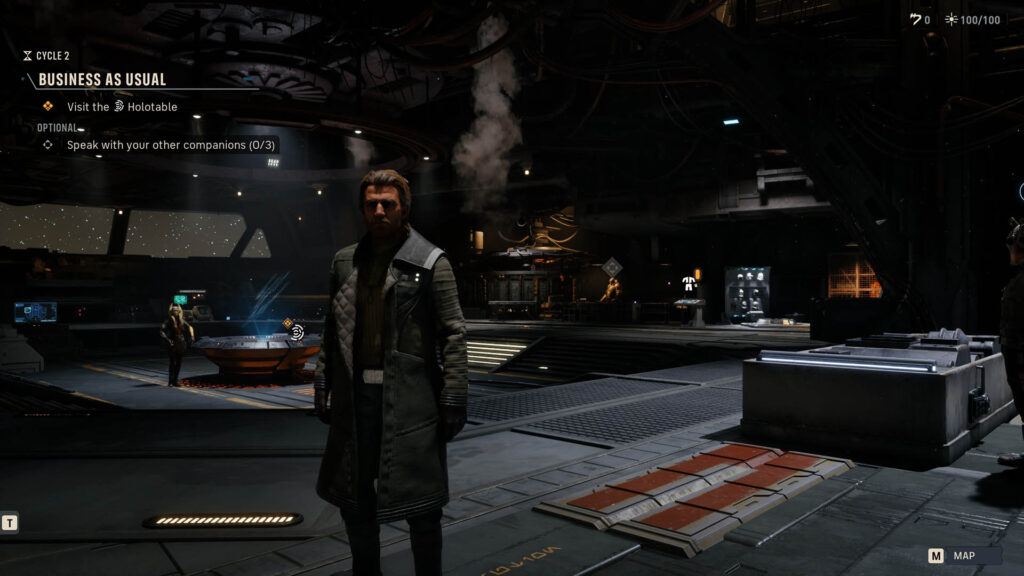
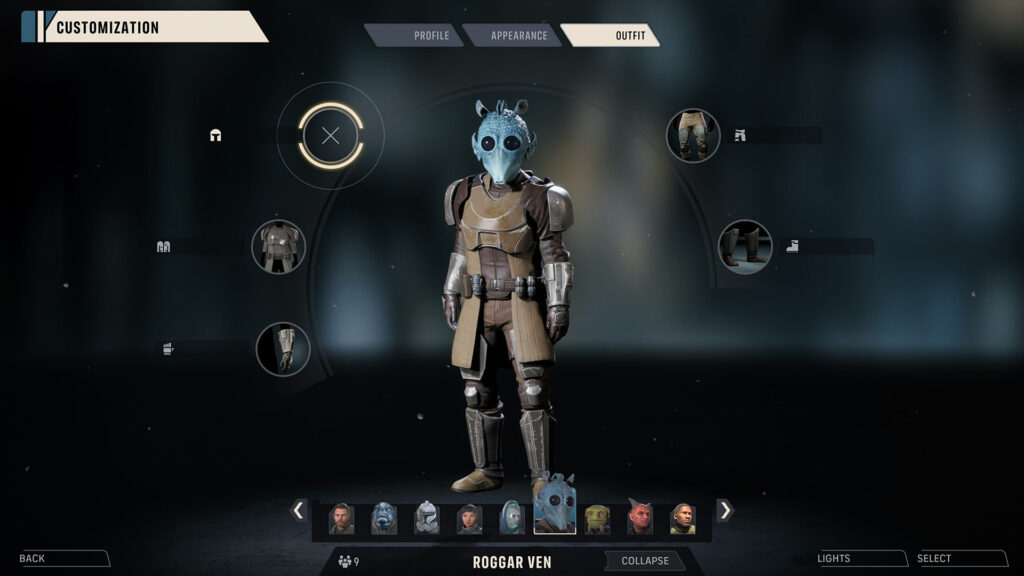
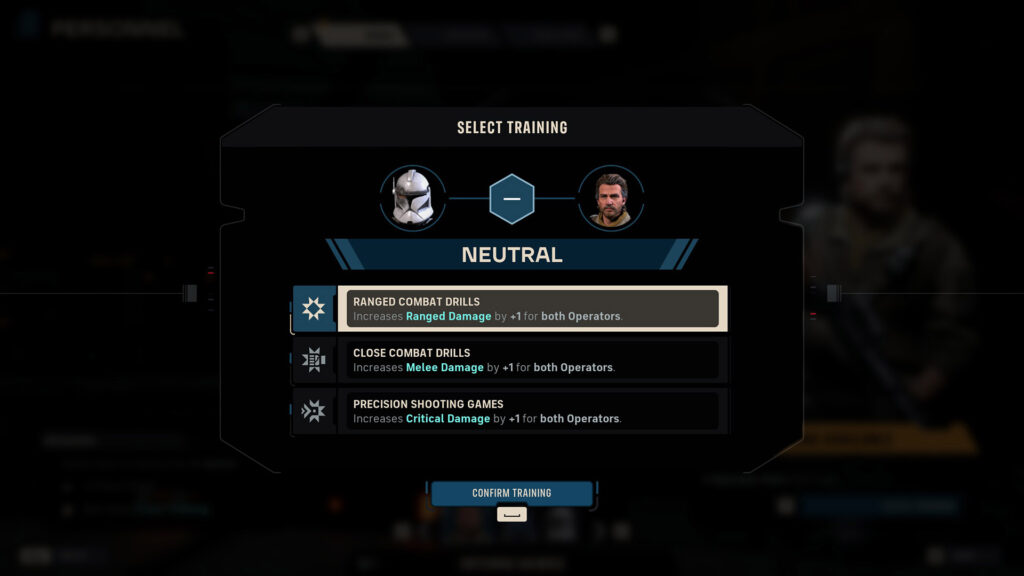
Between skirmishes, Zero Company operates out of the Den, a covert base using an old freighter hangar that is nestled into an asteroid trading post on the Ring of Kafrene, which is itself a neat visual tie-in to Andor. Functioning as your hub, it is a place to upgrade gear, purchase facility improvements, manage squad outfits, training and loadouts, and check in with teammates for side missions, and is a good save game break from the tense combat missions. In other tactical games you have an isometric view of the base, however this time you can run around, look out viewport windows and interact with your crew individually which makes it feel much more engaging.
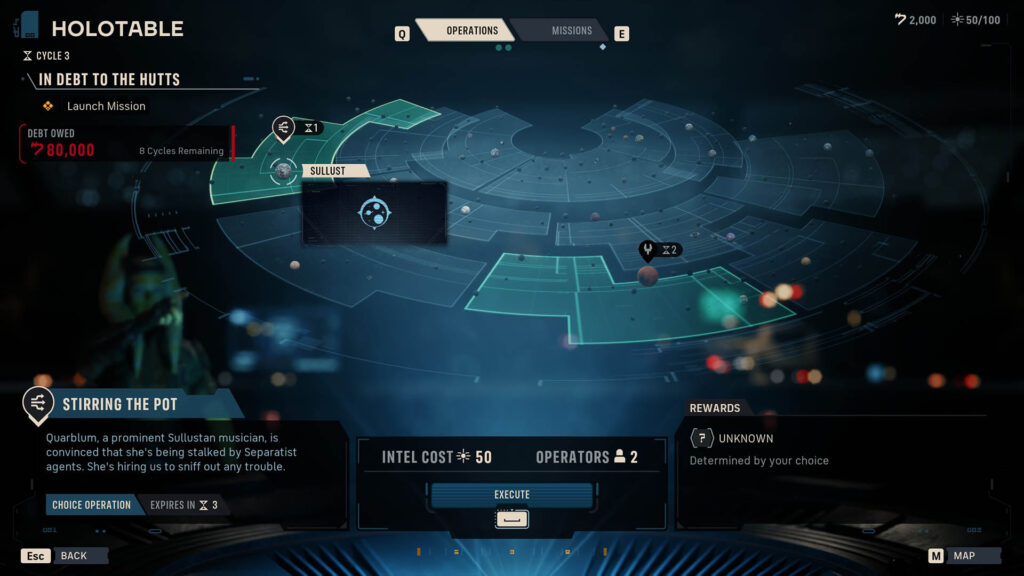
At the centre of The Den operations sits the Holotable, housing an expansive galactic map referencing over 150 planets that will trigger instant nostalgia for fans of 90s classic Star Wars Rebellion. From this interface, you monitor time-sensitive contracts and balance risk versus reward, earning currency, equipment, intel and zone relations. Runa Black, a Togruta voiced by Vic Michaelis and Republic contact Officer Benik oversea the holotable and both regularly chime in with tactical updates, debriefs, and sharp commentary over your decisions.
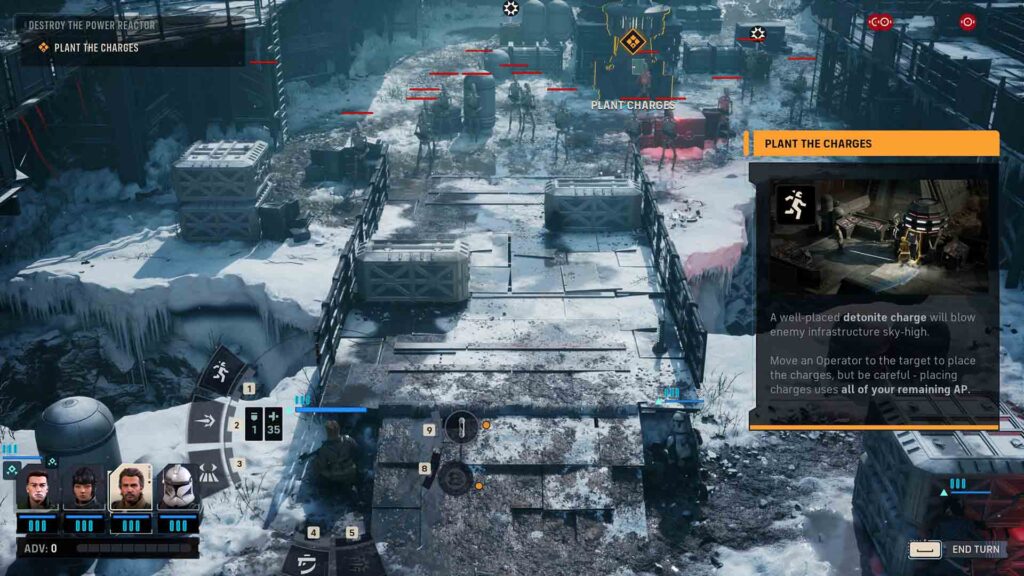
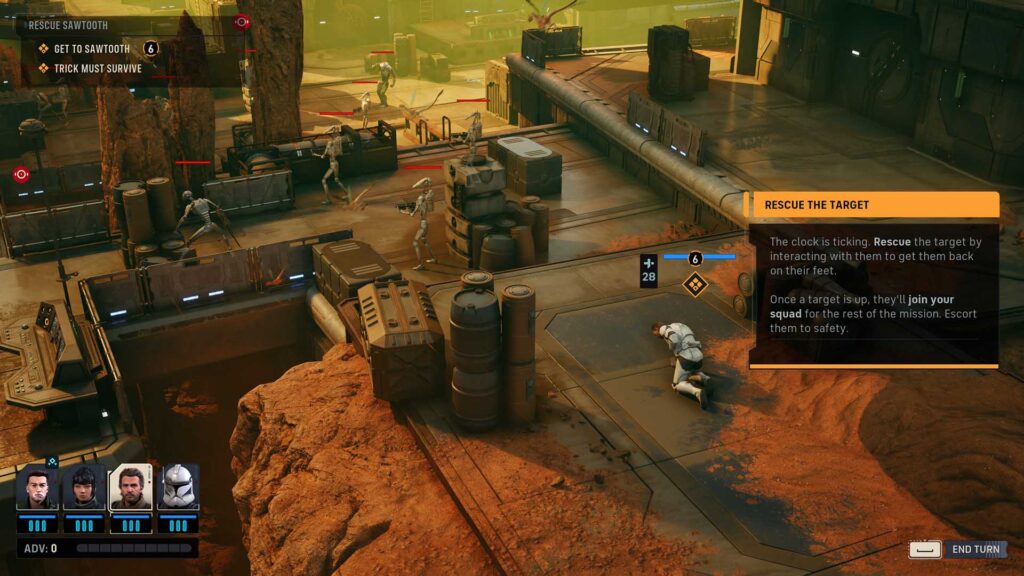
Ground combat in Star Wars: Zero Company takes on a coat of XCOM and operates on a flexible 3 Action Point (AP) economy per unit, giving you complete freedom to split movement, take cover, set up overwatch arcs, or trigger specialised class abilities. Damaging hostiles builds a shared pool of squad Advantage points, which can be cashed in for tide-turning actions like ordering orbital strikes, firing heavy rocket launchers, or resetting squad action points without consuming standard AP.
Customisation runs deep across 12 total specialisations, split between 8 standard recruit classes and 4 hero-exclusive archetypes. As squad members deploy together and form Soldier Bonds, they unlock shared support perks and secondary specialisations, allowing for intricate dual-class hybrid builds. You can field a squad of clone troopers fully decked out in customised armour pieces or run an all-astromech squad featuring Bit Reactor’s custom droid, BR-1, configured with everything from utility healing kits to heavy grenade loadouts.
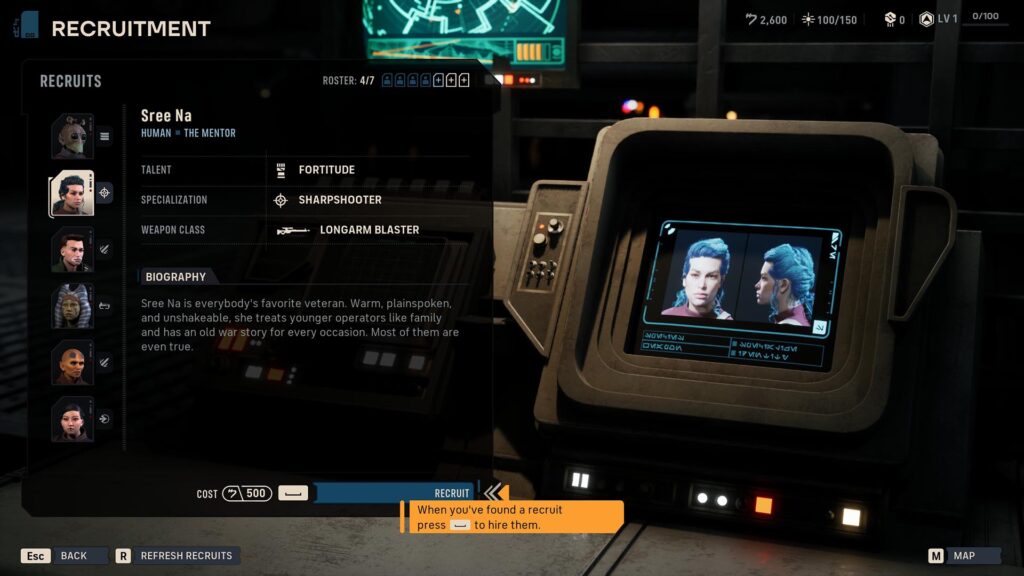
In a bold departure from standard strategy conventions, the developers have omitted fog of war entirely. Enemy locations and placements are visible from the start of an engagement, shifting the focus completely toward line-of-sight management and aggressive positioning. Heavy operators such as Kabb Uppercut can throw devastating melee uppercuts to launch battle droids crashing through destructible cover or off ledges into chasms. Coupled with the ‘Call for Backup’ feature, squadmates can follow up on these moves with free supporting fire. Transitioning between engagements, select missions switch to real-time third-person WASD squad exploration, letting you traverse jaw-droppingly detailed environments up close.
The tactical challenge escalates significantly once you engage The Infinite Coil, as these cultists actively react to casualties in their ranks. When a Coil soldier falls, their death emits a wave of Resonance to surrounding allies. If a surviving unit absorbs enough Resonance, it Surges mid-combat, instantly regenerating health, triggering reactive return-fire skills, or evolving into a far deadlier threat. This dynamic completely changes target prioritisation, as focus-firing an easy enemy can unintentionally turn the heavy soldier standing next to them into a nightmare.
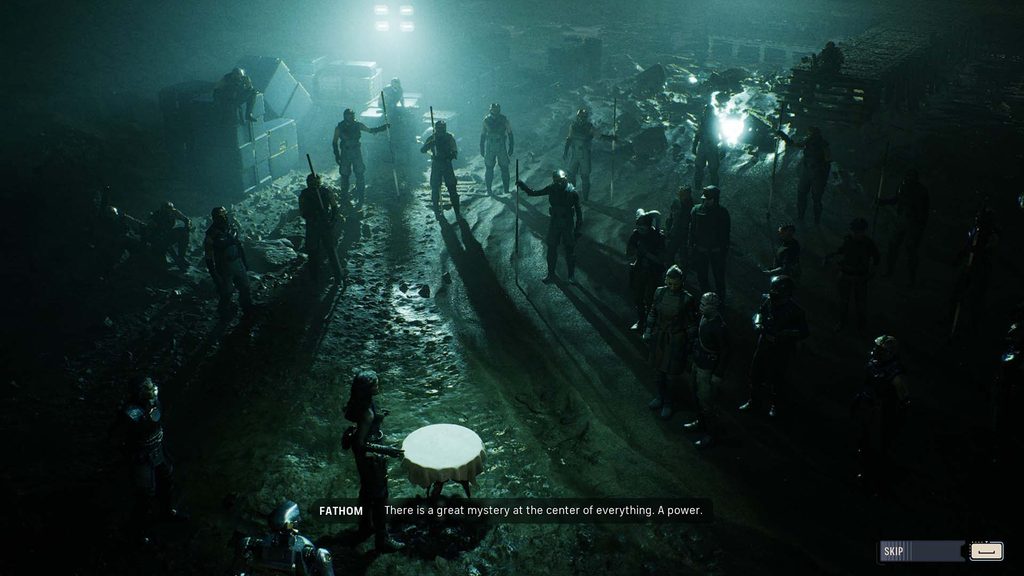
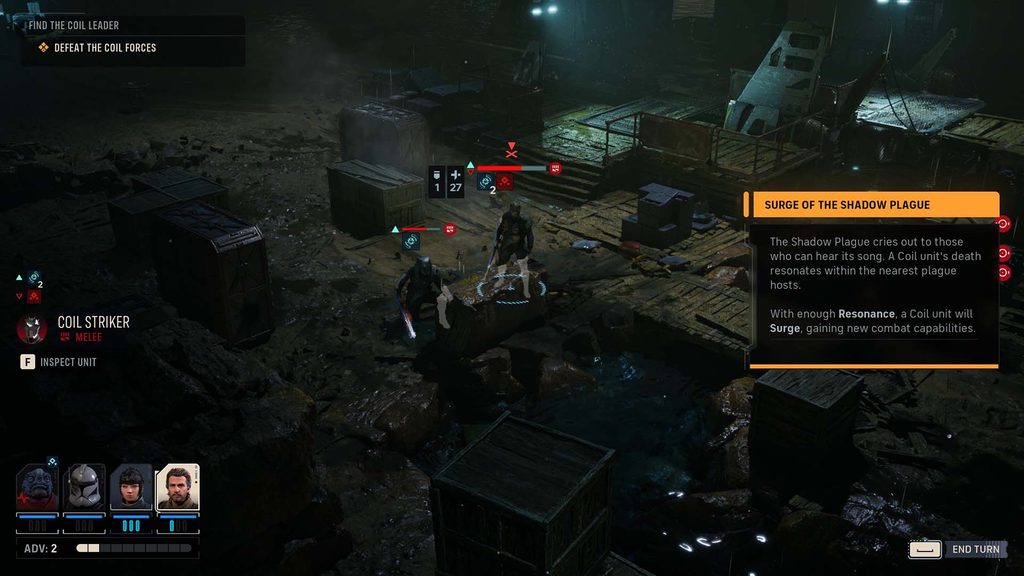
Out on the holotable map, Crisis Operations force you to choose between two simultaneous galaxy-wide missions. Because your squad can only respond to one destination at a time, whichever operation you abandon succeeds, granting the Coil a permanent, campaign-wide unit buff. This creates a compelling strategic dilemma, forcing you to constantly choose the lesser of two evils based on your roster’s current capabilities, knowing you are going to have to face a stronger Coil as missions go on.
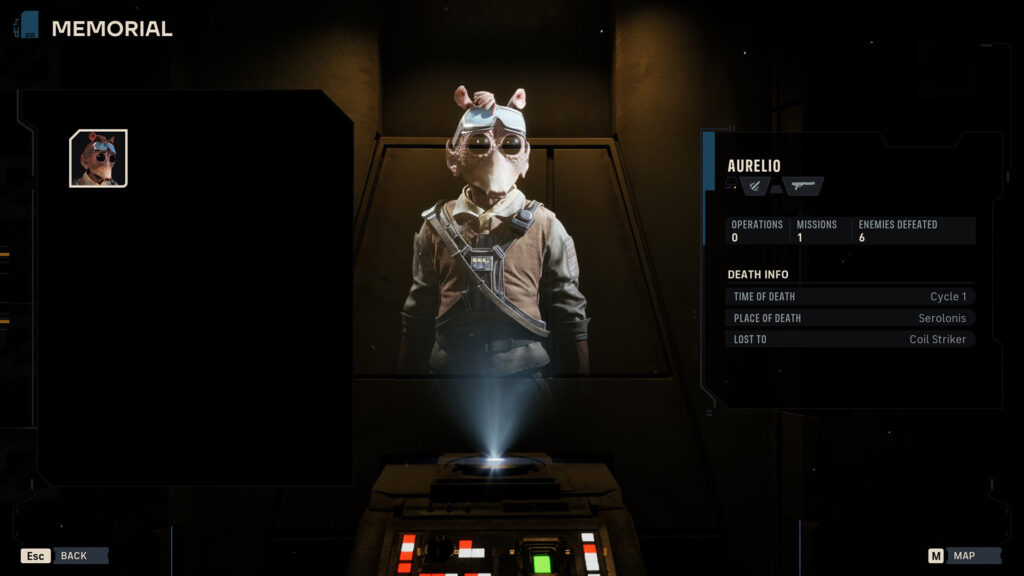
Permadeath adds immense emotional and mechanical weight to every deployment. Wounded operators rack up persistent injuries that require precious credits and recovery cycles back in the Medbay at the Den. With financial strain constantly threatening your wallet, you will frequently face situations where your top veterans are bruised, but you lack the funds to heal them before a crucial mission. Taking an injured operator into battle introduces genuine tension; lose a custom recruit or an authored character like the Jedi Padawan Tel-Rea Vokoss, and they are gone for good, leaving behind only their record on the Memorial Shrine back at base.
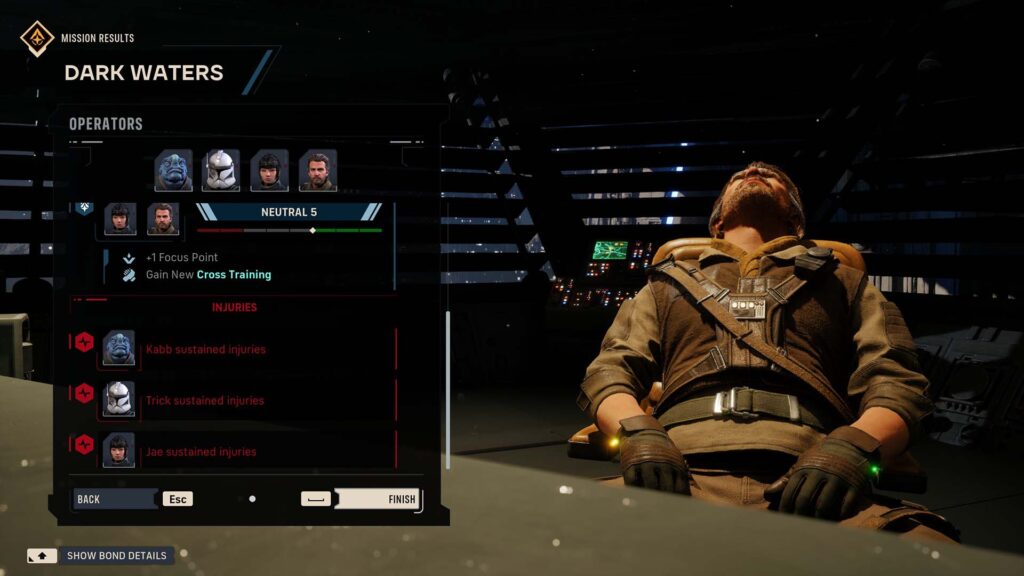
Overall, Star Wars: Zero Company is a high stakes and engaging turn-based strategy game aimed at genre veterans and Star Wars fans alike. What elevates the experience beyond its tight tactical mechanics is how personal the story feels. Watching Hawks and Trick navigate their tenuous alliance while unravelling the sinister motivations of Kundri Fathom and Visser gives every skirmish genuine emotional weight.
Ultimately, Star Wars: Zero Company proves that the Clone Wars era still has fresh, uncharted stories to tell when viewed through the eyes of flawed, morally grey anti-heroes just trying to survive. By replacing fog-of-war with pure tactical positioning, introducing clever enemy escalation via death resonance, and balancing roster management, Bit Reactor has delivered one of the most interactive and atmospheric Star Wars games in years.
This review utilised a Steam key provided by EA Australia and Star Wars: Zero Company launches August 27, 2026, on Steam, Xbox and PlayStation.
#roundtablecoop