Chris Inglis
There’s a specific kind of magic in nostalgia, especially when it comes to Star Wars gaming. Back in 1999, booting up Star Wars Episode I: Racer and hurtling down Mos Espa as Anakin was peak high-stakes racing at the time. Flash forward to 2026 and developers Fuse Games and publisher Secret Mode are releasing Star Wars: Galactic Racer on October 6, 2026. Main campaign aside, hurtling down the same Tatooine track as Sebulba, as well as racing on planets like Jakku and Crait, the elevation in gameplay and engagement is much higher than I anticipated.
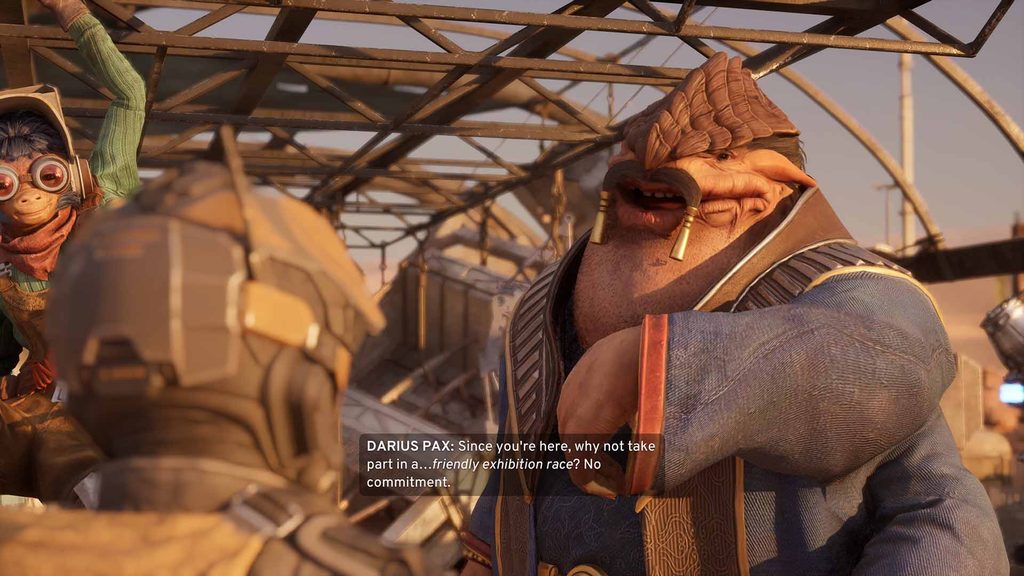
While it retains that familiar, blistering core that made the classic so beloved, Galactic Racer evolves the formula in ways that make it feel fresh. The campaign drops players right into the high-stakes underground racing circuit set between Return of the Jedi and The Force Awakens. You play as an up-and-coming rookie Shade navigating the gritty and lawless Outer Rim. With experienced repulsorcraft mechanic Darius Pax, you claw your way through shady syndicate-sponsored tournaments, earning scrap, avoid clashing with ruthless rivals like Kestar Bool, and taking on a heap of eccentric rival racers to carve out a reputation in the revamped Galactic League.
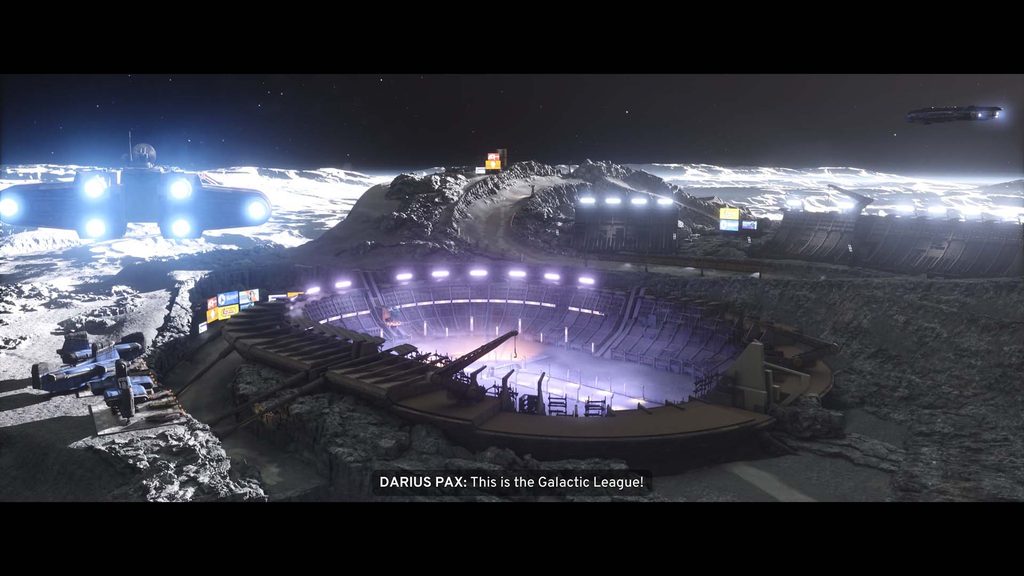
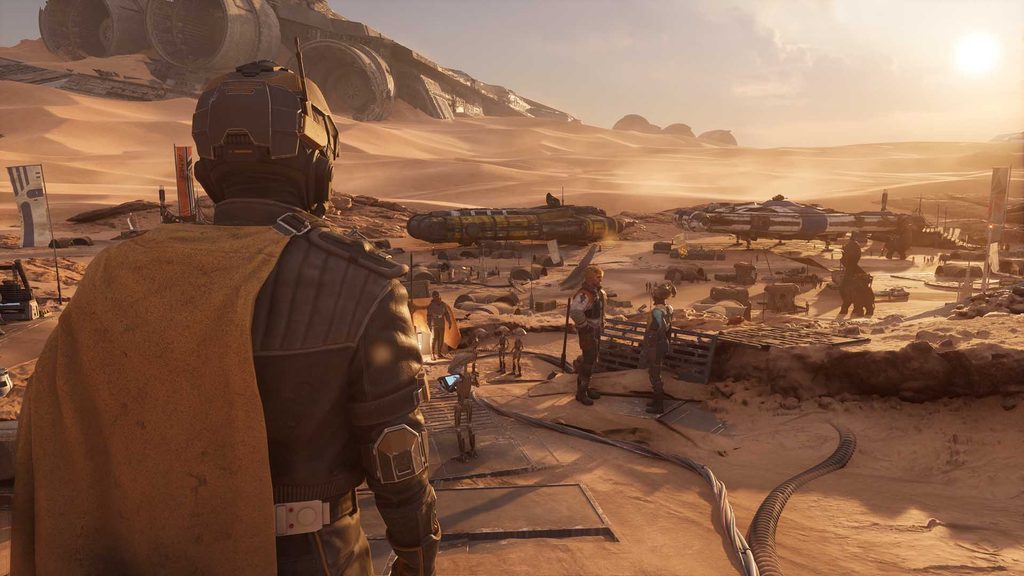
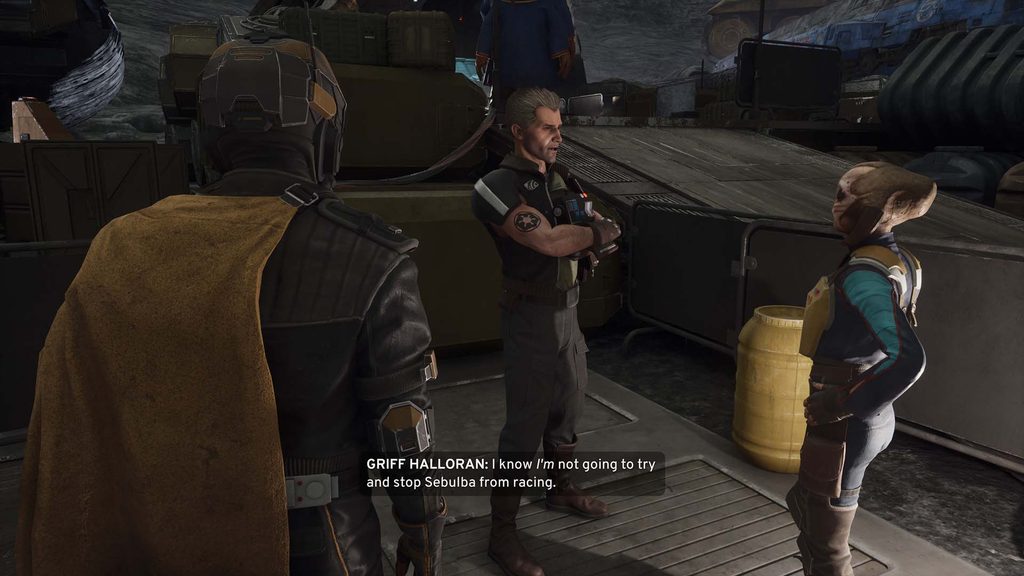
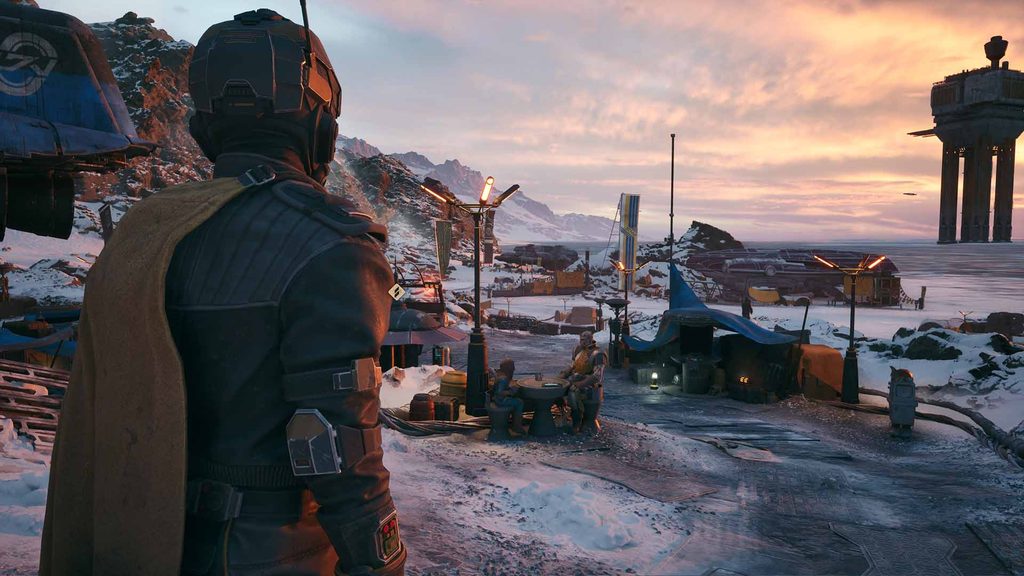
One of the biggest highlights for me happened before I got stuck into the major race events. The pre-race hubs on each planet are amazingly detailed. Despite being small areas, being able to walk in limited spaces around these location hubs immerses you straight into the galaxy’s sketchy underground racing scene. Starting in the sands of Jakku, then visiting iconic locales like Tatooine is great, but exploring brand-new planets for the first time feels equally special. In one are, I caught some repair droids playing Sabaac in a corner, eavesdropped on alien chatter, and then wandered over to fix faults on my speeder. It’s not much, but it’s enough to break up the racing and it feels very Star Wars.
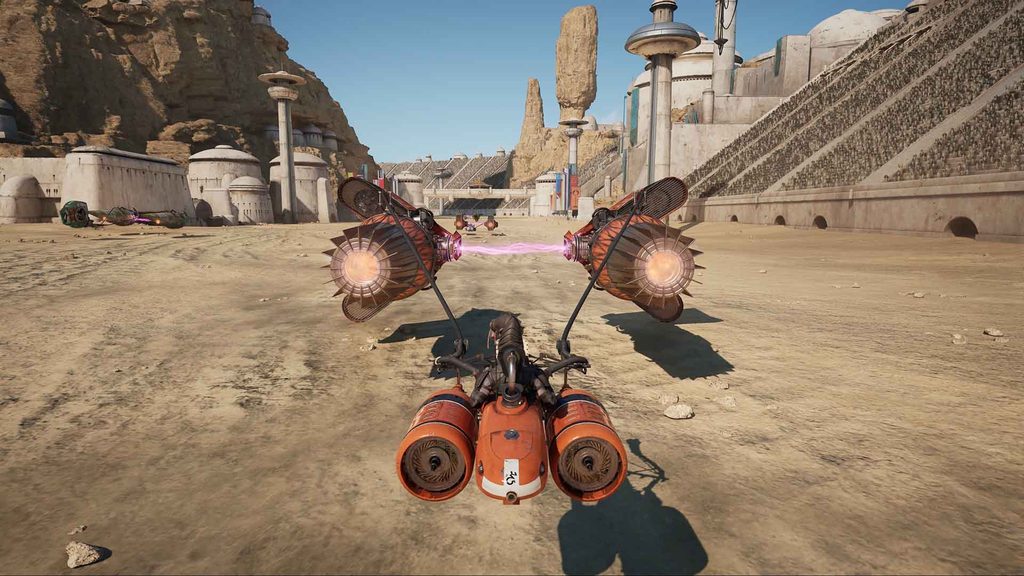
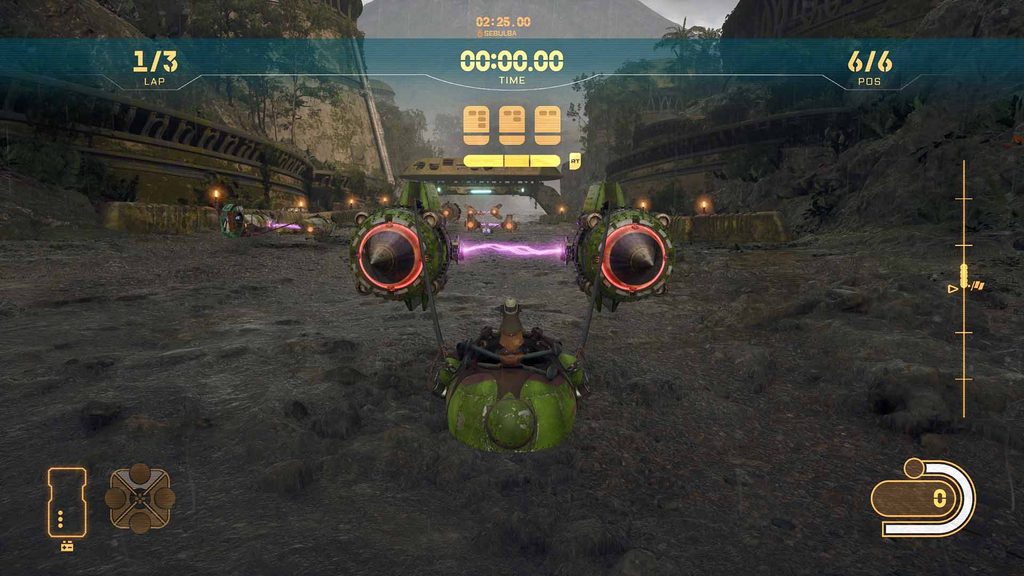
The visual presentation of the game is mind-blowing. The scale of the tracks, the environmental lighting, and the sheer velocity feel like you are really in the driver’s seat. Boosting over Crait and seeing the red dust clouds kicked up by speeders in front of you was fantastic. Then switching to arcade and racing as Sebulba on the same Mos Espa track as the original game and the graphics looked straight out of The Phantom Menace, if not even better. Even with all this visual spectacle, performance on my ageing PC was surprisingly solid. Optimisation can be a coin toss in these high-speed games but Galactic Racer ran buttery smooth. The sound effects are spot on with every boost and holler echoing in my headphones and every shunt or boost vibration being felt through the controller.
I chose to play the game with a controller over my usual keyboard/mouse combo as the controller felt more natural and responsive for me. Adding to the chaos is the new aggressive racing mechanics. For fans of the Burnout series of games, a similar wrecking system allows you to bump into competitors, forcing dramatic, high-speed crashes. Tearing past a rival, trading paint, and shunting them into a canyon wall adds a brutal, thrilling dimension that fits the lawless Outer Rim circuit perfectly. They can do the same to you so keep an eye on the indicators and be situationally aware going into tight spaces.
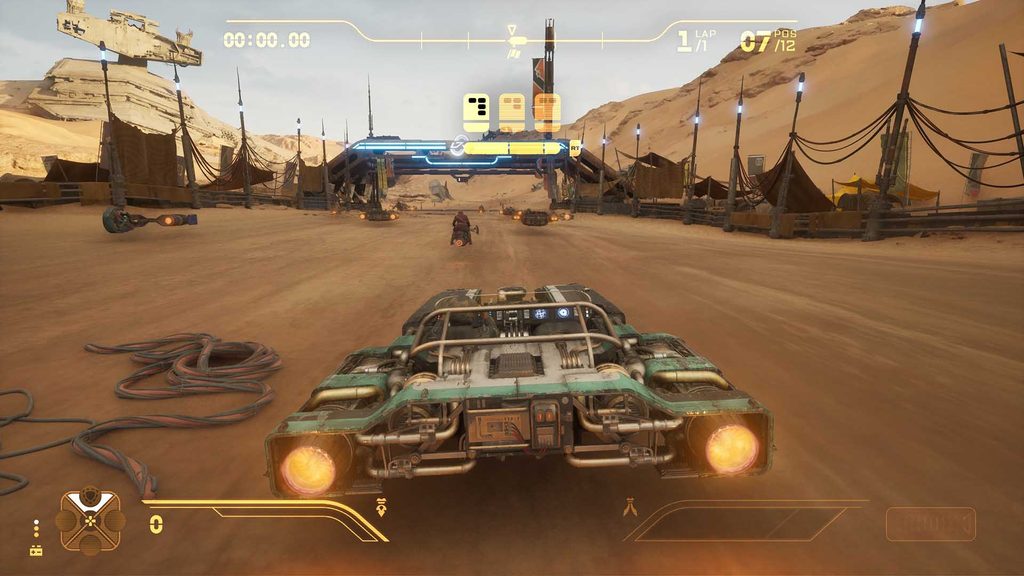
Vehicle variety is central to how Galactic Racer handles on the track, offering three distinct vehicle classes.
- Landspeeder: Landspeeders can maintain high speeds and stability and can drift, allowing them to turn sharply while maintaining speed through corners.
- Speeder Bike: Small and agile with excellent acceleration but can turn wide in corners. Speeders have a unique ability to store energy as it brakes into corners and transfer this into a kinetic burst for a huge boost to speed.
- Skim Speeder: More like a Tie Fighter than a hovercar. These can roll up on their side allowing the vehicle to glide in and out of tight corners.
- Podracer: The iconic racers we know and love. Their power and size means they cannot race alongside the other craft types, so they are used in dedicated races and modes.
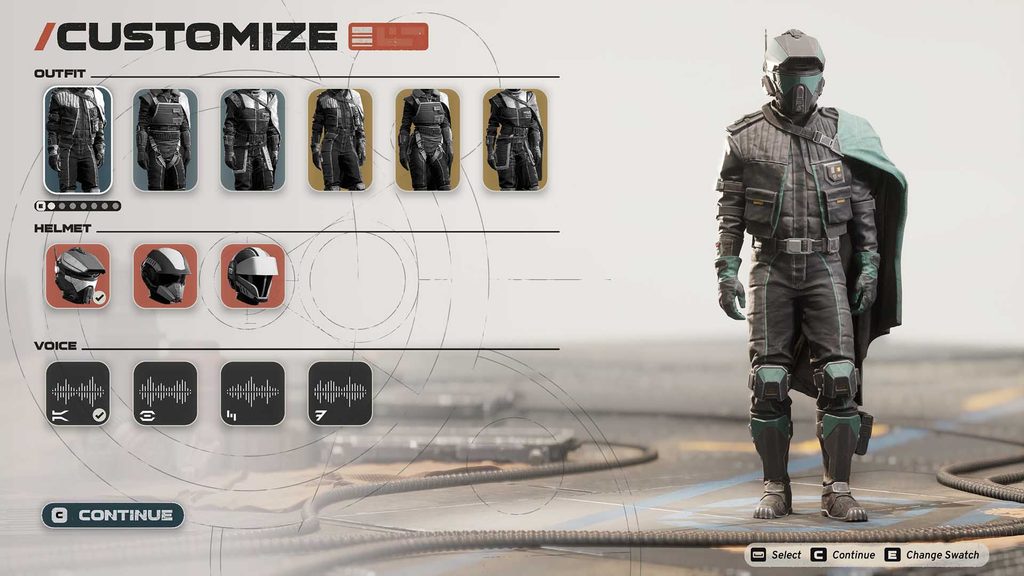
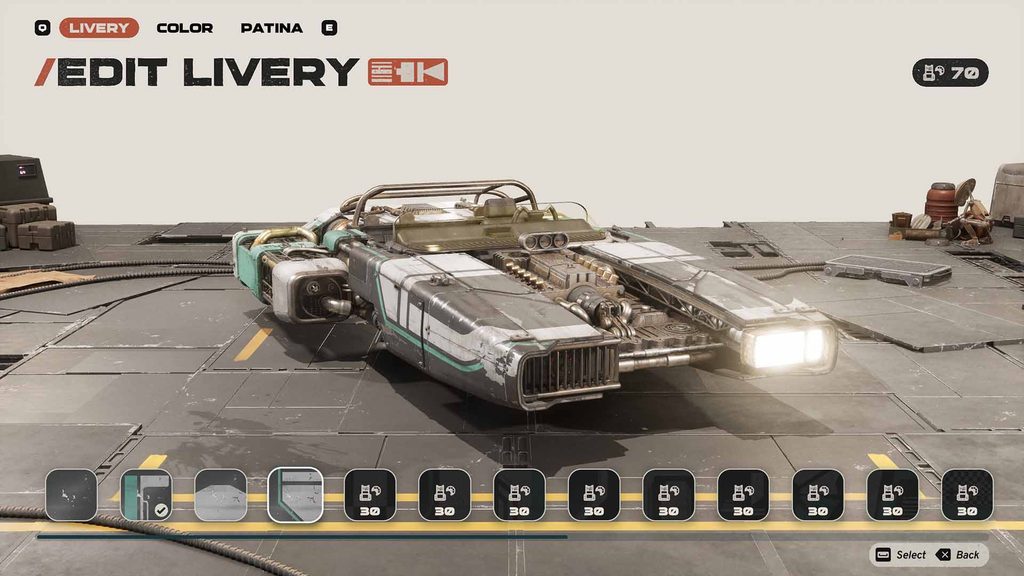
You begin the campaign with an entry-level landspeeder setup and as you progress, you will gain new parts, upgrades and bonuses. During races and using ramjet boost, an enhanced afterburner means pushing your engines too hard can trigger overheating. There are also track hazards like acid pools and extreme cold that can inflict physical faults on your craft. You might end up with a failing steering coupling or misfiring thruster mid-race, forcing you to repair faults in the paddock if you have enough credits or go into the next race with a disadvantage.
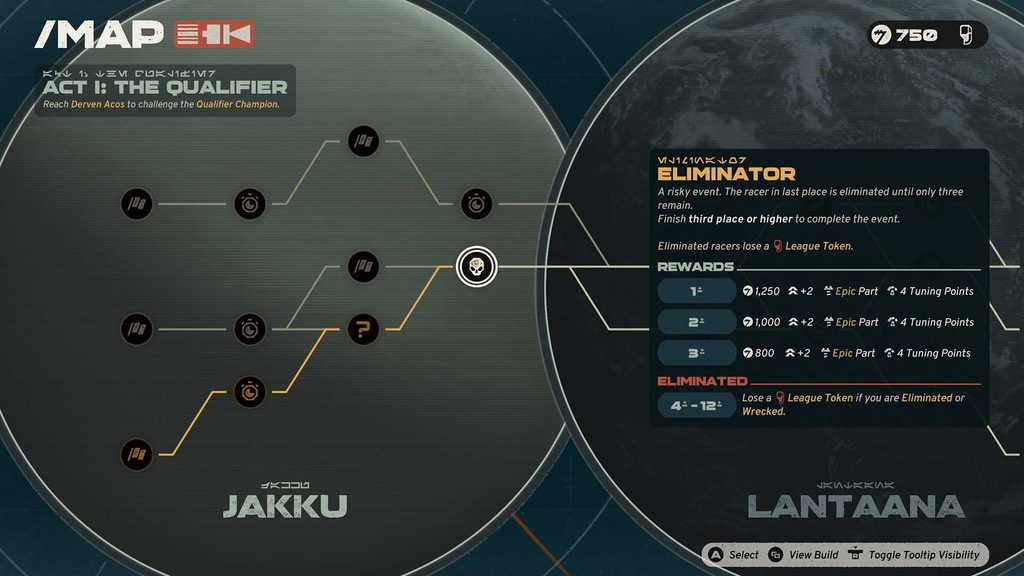
The decision to adopt a runs-based, roguelike campaign structure is a stroke of genius. In Episode I: Racer, it was easy to fall into a routine of using the same setup the whole way through on the same loop of tracks, causing the game to get stale. Here, choosing your path through a run guarantees that the challenges, race types, and track conditions constantly shift.
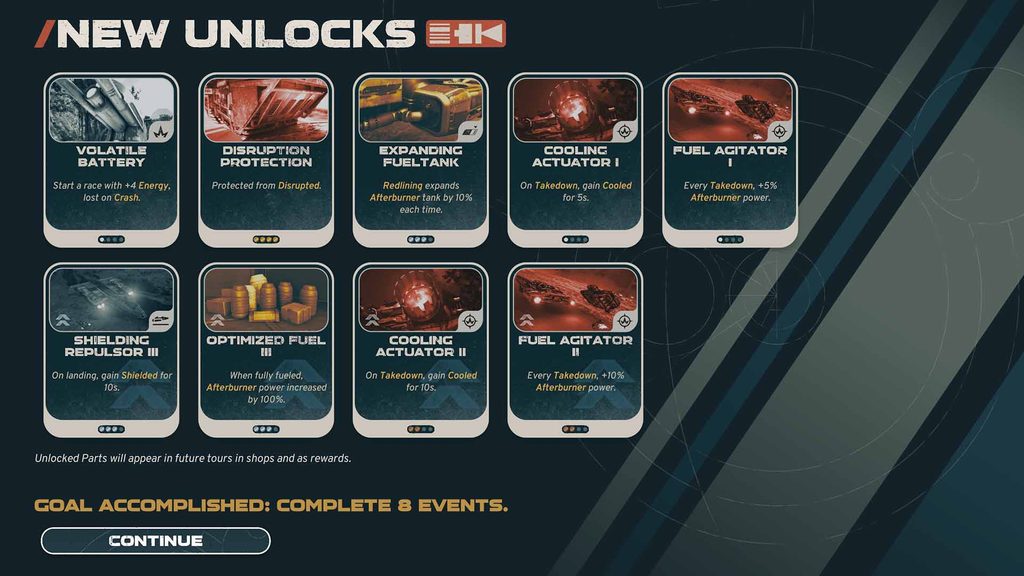
Finishing a full run feels incredibly satisfying. The loop of unlocking new parts, tweaking your new speeder upgrades, adding a fresh coat of paint, and carrying unlocked permanent abilities into subsequent runs keeps the progression evolving and addicting. Starting a new run with fresh passives and newly mastered active skills means you can tackle tougher paths and opponents with more confidence.
The game balances its core runs-based campaign with a great variety of gameplay modes:
- Campaign Mode: The core runs-based experience where you forge a path through the Galactic League as Shade, racing on various circuits, upgrading your current vehicle and trying to beat current league champion, Kestar Bool.
- Scenarios Mode: A standout feature where you step into the shoes of specific characters encountered during the campaign. Taking control of distinct competitors like Nik Skandaro, ex-TIE pilot Griff Halloran, or veteran engineer Soren Zaks offers tailored challenges while giving a little more insight into their backstories within the Galactic League. When you unlock a racer style in the campaign, it will unlock their scenario.
- Arcade Mode: Perfect for focusing on a racing style you warmed to during the campaign. Arcade packed in numerous sub-modes to fine-tune your driving skills, including dedicated Podracing, high-intensity Scramble events, Test Flight and other cool modes. Your times are also measured against your friends.
- Multiplayer Modes: Quick Races or taking on the headline Tour mode against up to 11 other racers in speeders, or 7 other players in podracers. The Tour is a series of races with players competing in the first 5 events for the best parts to create a build capable of winning.
Overall, Star Wars: Galactic Racer manages to honour its 1999 predecessor while elevating the gameplay with an excellent runs-based campaign and highly engaging alternate game modes. Between the buttery-smooth performance, aggressive Burnout-style vehicle combat, and addictive roguelike campaign design, it stands out as another incredible Star Wars title in 2026 alongside Star Wars: Zero Company.
This review utilised a Steam key provided by Plaion ANZ and Star Wars: Galactic Racer launches on October 6, 2026, on Steam, Epic Games Store, Xbox and PlayStation.
#roundtablecoop