Chris Inglis
The original GreedFall was a 17th-century swashbuckling action game with souls-like combat encounters. Now, developer Spiders and publisher Nacon have released a prequel in the form of GreedFall: The Dying World. Development started with the name GreedFall 2, however after an early access period and considering player feedback around the story being a prequel, the game name was made simply, GreedFall: The Dying World. Having played almost all of Spiders’ previous titles—all the way back to Of Orcs and Men and Mars: War Logs—I was keen to see how they iterated on their formula. I am very pleased with the overall result.
The story takes place three years before the original. You begin as a Doneigad, a spiritual protector of a native Teer Fradee tribe, living in harmony with a land steeped in magic. However, your peaceful initiation is cut short when foreign ‘renaigsa’ from the Old Continent of Gacane arrive to forcibly uproot your people. After being captured and hauled across the ocean, you find yourself a fish out of water in a dying world plagued by war and the mysterious Malichor illness.
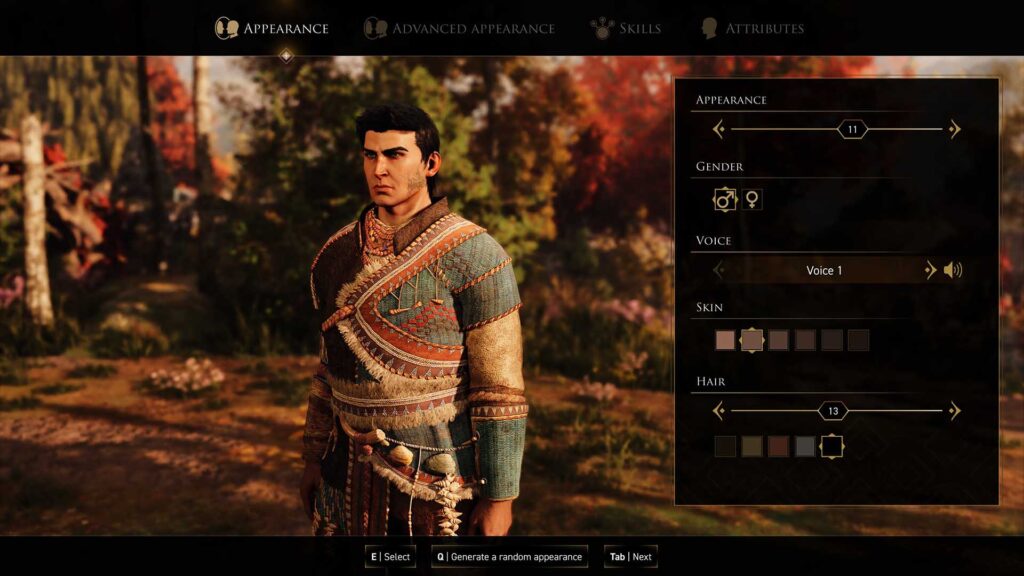
The character creator is decent, featuring 12 distinct classes that allow for highly specialised builds. Aside from the standard tank and healer roles, there are versatile options like The Living Blade, a perfect hybrid for those who can’t decide between steel and sorcery. The Shaman is deeply rooted in the lore of Teer Fradee, focusing on environmental control by harnessing the power of brambles to ensnare enemies. For the shadowy tactician, The Alchemist is a technical expert who manipulates the battlefield with poisons and explosives.
One element that may make or break a player’s initial experience is the heavy use of the native Teer Fradean language. During the first few hours, the dialogue is almost exclusively spoken in this fictional tongue, requiring a significant amount of subtitle reading. While there are occasional English conversations with regular folk, the early game leans heavily into this linguistic immersion. Coming from the first game’s more accessible English-led dialogue, the sudden shift to a subtitle-heavy experience feels somewhat jarring and slows the initial pacing.
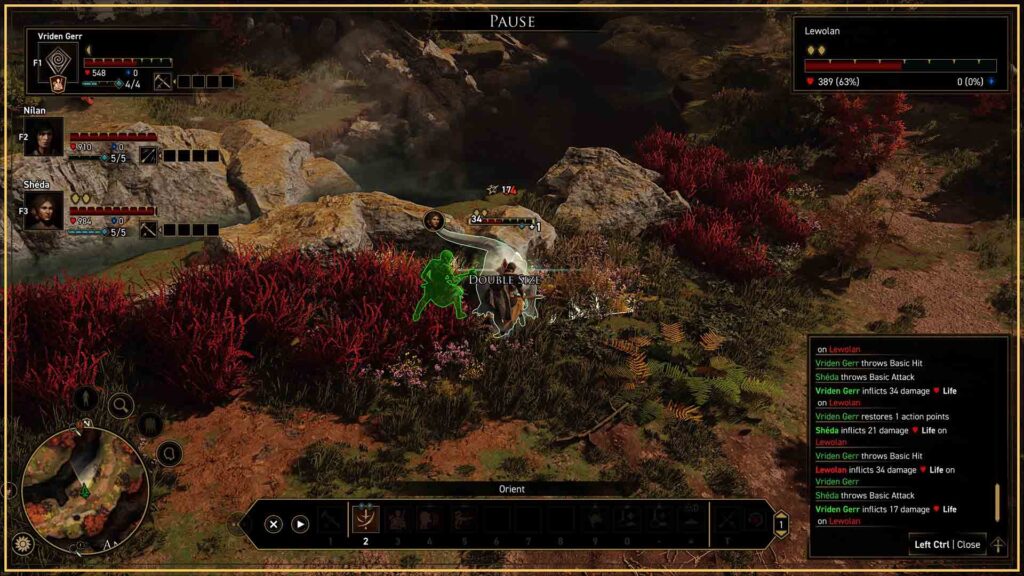
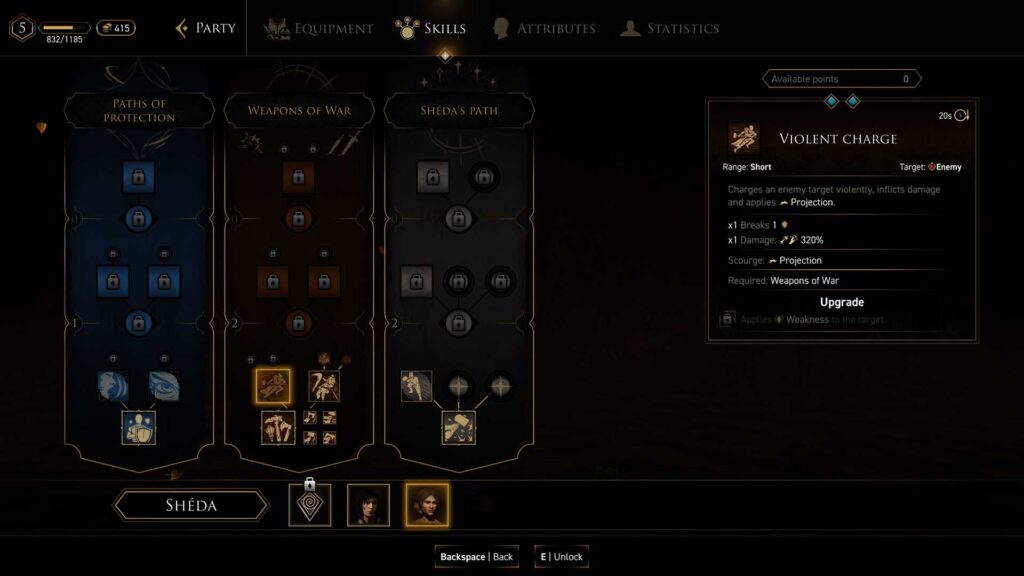
While the first GreedFall was combat-heavy, leaning into a souls-like difficulty with demanding boss fights, GreedFall: The Dying World slows things down considerably. Combat moves away from immediate responsive action in favour of a real-time with pause (RTwP) system. This encourages tactics like sneaking around and assessing the battlefield before diving into slower-paced, tactical encounters.
For me personally, this change brought back fantastic nostalgia from my time playing Dragon Age: Inquisition, and I am all for this shift. There is a distinct satisfaction in pausing the chaos to carefully queue up abilities and manage the positioning of your entire four-person party. However, for players coming fresh from the original game’s visceral, movement-based combat, this will undoubtedly be another jarring experience.
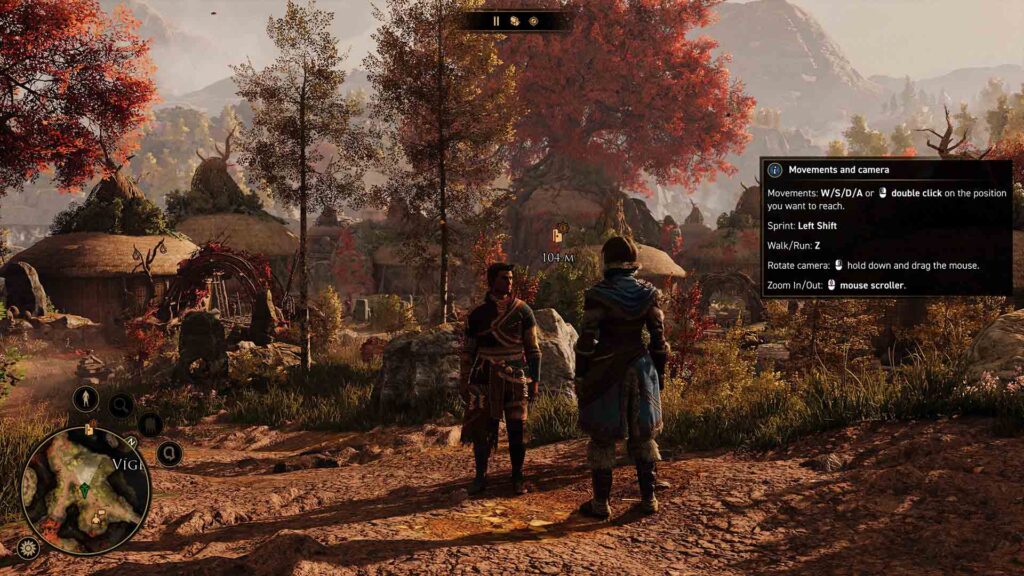
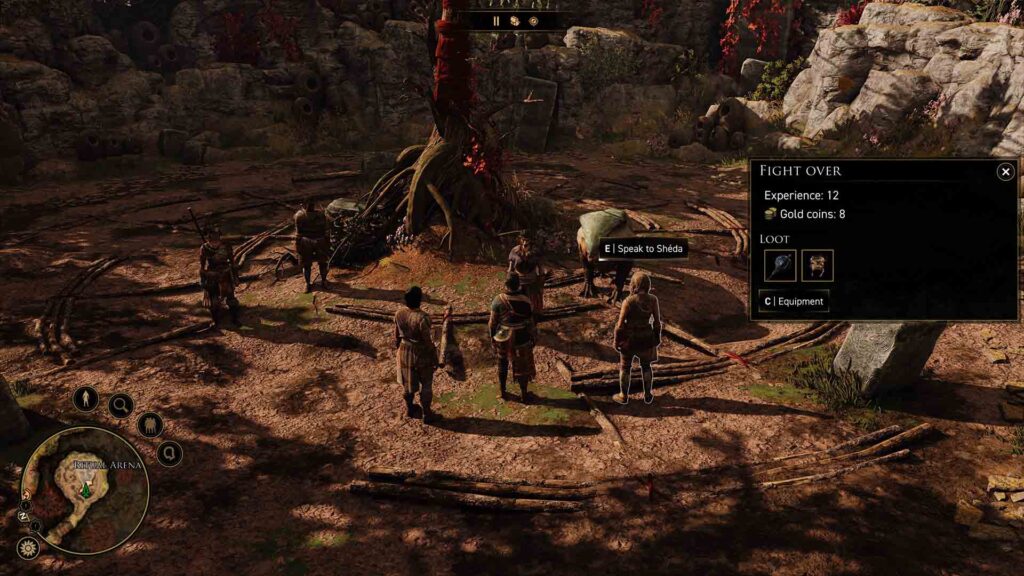
A great RPG is often defined by its cast, and GreedFall: The Dying World delivers a roster of 8 unique companions. Each character comes with their own rich backstory, personal beliefs, and deep-seated secrets. Your choices directly influence these allies, opening or closing opportunities entirely. These decisions are the difference between forging a lasting relationship—and perhaps a romance—or losing a companion’s trust and having them leave your side completely.
You also have direct control over each companion’s abilities and equipment. To help ease the transition, you can choose between Tactical (full manual), Hybrid, and Focused modes. Focused mode tries to mimic the third person feel of the original by automating your allies, but the DNA of the game is clearly built around the tactical pause.
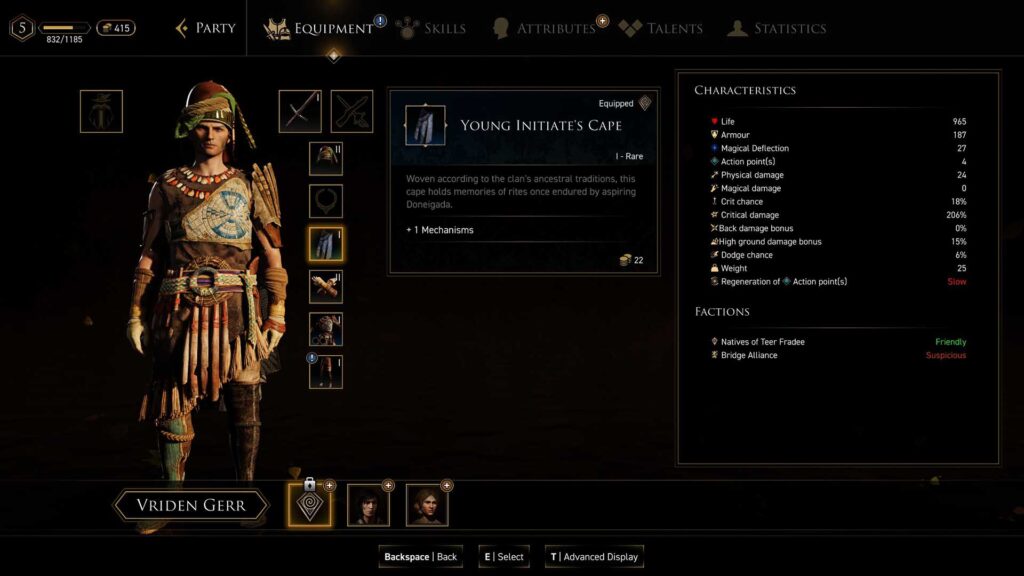
Where GreedFall: The Dying World 2 absolutely shines is the sheer level of detail in the world-building. Unlike the wilderness of the first game, the Old Continent is a series of densely packed, interconnected zones that feel lived-in. From the sun-soaked observatory of Olima (The City of Stars) to the salt-stung docks of Uxantis, the environment tells a story of its own.
Loot is tucked into every corner—back alleys, ancient ruins, and hidden caves. Whether you are finding coin, rare equipment, or raw resources for the deep crafting system, the “collect-a-thon” aspect feels meaningful. This is especially evident when you need those materials to upgrade gear starting off at a base hut, to eventually a ship called the Constanzia. The Constanzia also serves as a hub for you and your companions, allowing you to rest, manage your team and equipment, and access your workshop and storage space.
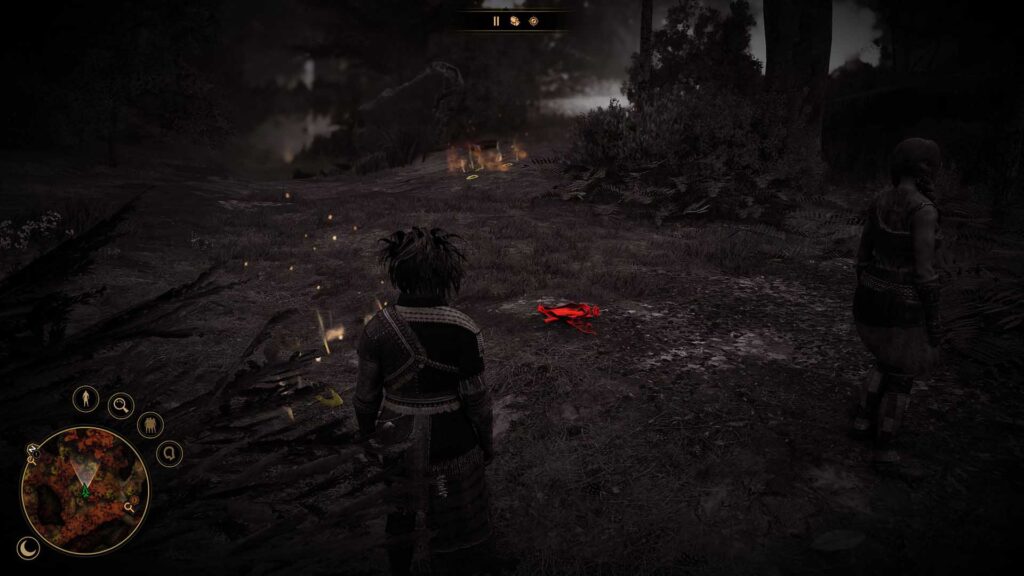
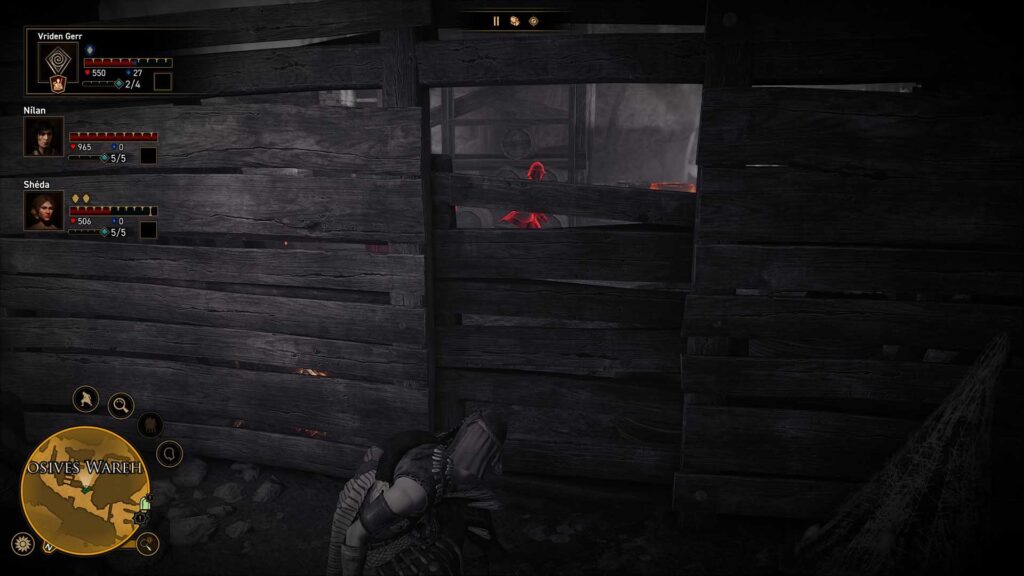
The level design encourages you to think before you strike. You can use tall grass and verticality to scout enemy positions, identifying the best angle of attack or finding a path to bypass a fight entirely. As a native exploring these metropolises, you truly feel the contrast between your nature-aligned roots and the soot-covered, industrial grime of Gacane. The atmospheric lighting is some of the best work Spiders has ever produced.
Overall, GreedFall: The Dying World is a dense, atmospheric RPG that rewards patience and considered tactical planning. It is a change from the first game, but a welcome one that trades the immediate thrill of a sword fight for the slow-burn satisfaction of perfectly executed tactical combat, with a mature story about cultural identity and loss.
This review utilised a key provided by Nacon and GreedFall: The Dying World is available now on Steam, Xbox and PlayStation.
#roundtablecoop

 Yonan
Yonan