Chris Inglis
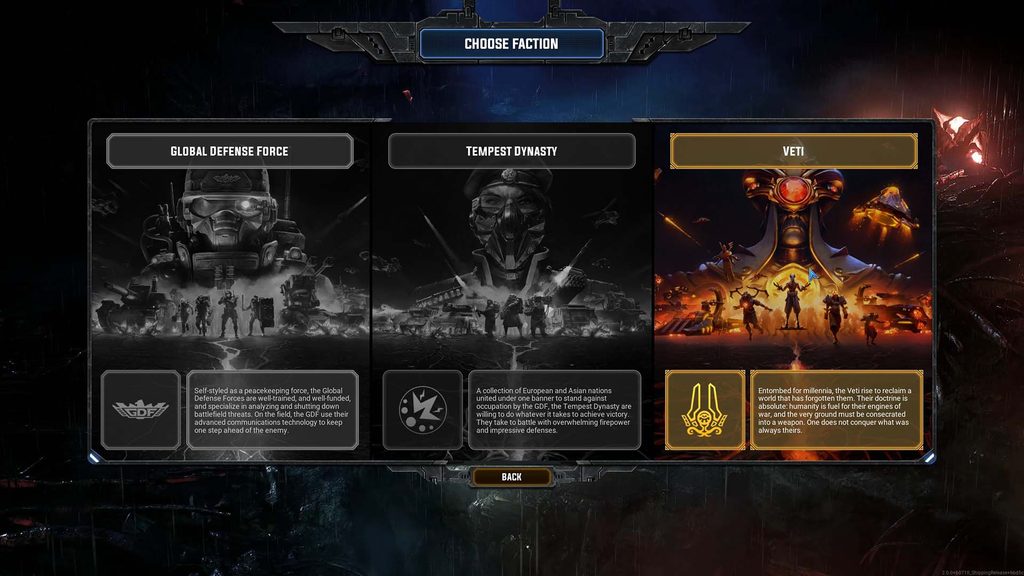
When I originally reviewed Tempest Rising, I loved its ability to scratch that classic 90s C&C itch while noting how keen I was to see how the developers would expand the sci-fi sandbox down the line. With The Veti’s Wrath, developers Slipgate Ironworks and publisher 3D Realms have delivered on that promise by finally introducing the game’s long-awaited third faction, launching on September 29, 2026. Far from a light DLC add-on, this release stands as a meaty, fully voiced 11-mission campaign that adds the long awaited third faction with its sacrificial bio-mechanical playstyle.
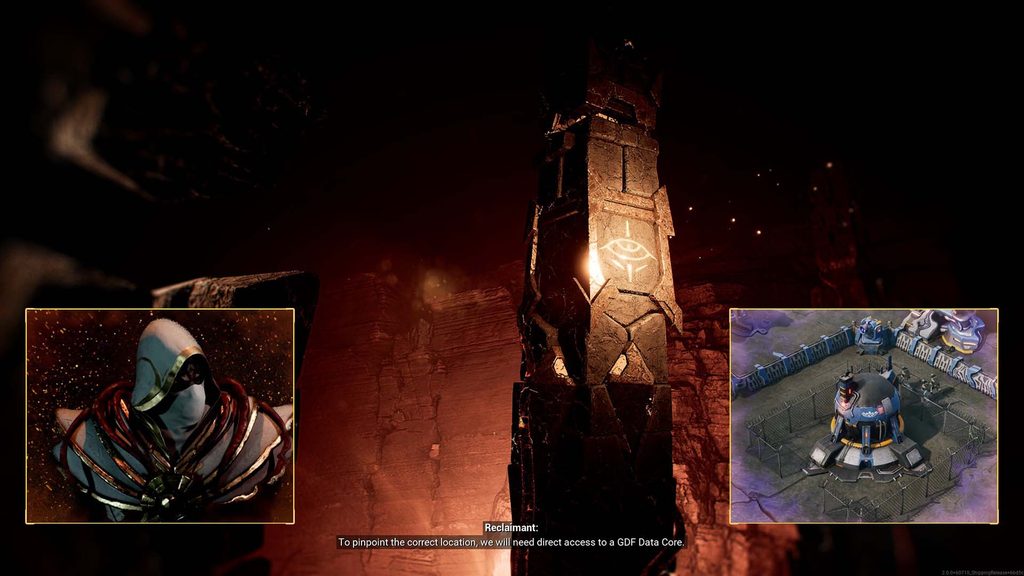
From the games Steam page, in the wake of the devastating Tempest Wars, the Veti lie shattered, hunted across a world they once ruled. Scraping together what remains of their forces, they seek absolute reclamation while navigating an insidiously dangerous internal threat. K’uhul the Immutable, an ancient Veti ruler entombed eons ago for devouring entire worlds, watches from his prison, his corrupting voice seeping directly into the ranks of his own kind.
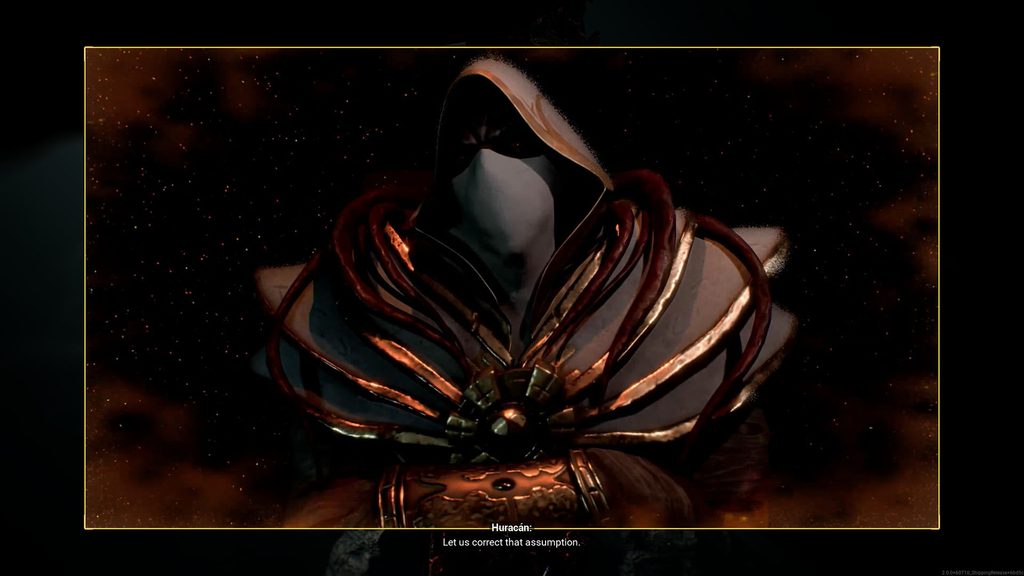
The story carries an eerie, tragic weight that elevates it beyond the standard GDF (Global Defense Force) versus Tempest Dynasty dynamic. The voice acting throughout the 11 missions gives this alien civilisation a compelling presence, making the fight for survival feel as much about internal purification as it is about pushing back against human armies.
At the core of the Veti base infrastructure are Ascension Anchors. These ancient sacrificial obelisks scale through power tiers by absorbing the Enlightened, which are mindless thralls converted directly from fallen casualties on the battlefield. As these Anchors ascend, they extend power tethers to surrounding structures, boosting resource yields, unit production speeds, and structural defences. A tethered Ziggurat, War Assembly or Celestial Gate will produce veteran units, and higher tiers increase the veterancy granted, so setting up your base well early on will set you up for success.
Given key structures like Refinement Altars can be transported across the map, you can control a contested Tempest field on an aggressive front line, drain its resources, and retreat your core refining anchors back to safety before enemy forces can launch a counter-offensive. While the Veti thrive on active bio-tech micro-management and ensuring the correct buildings are tethered for maximum productivity, classic RTS tactics still hold true.
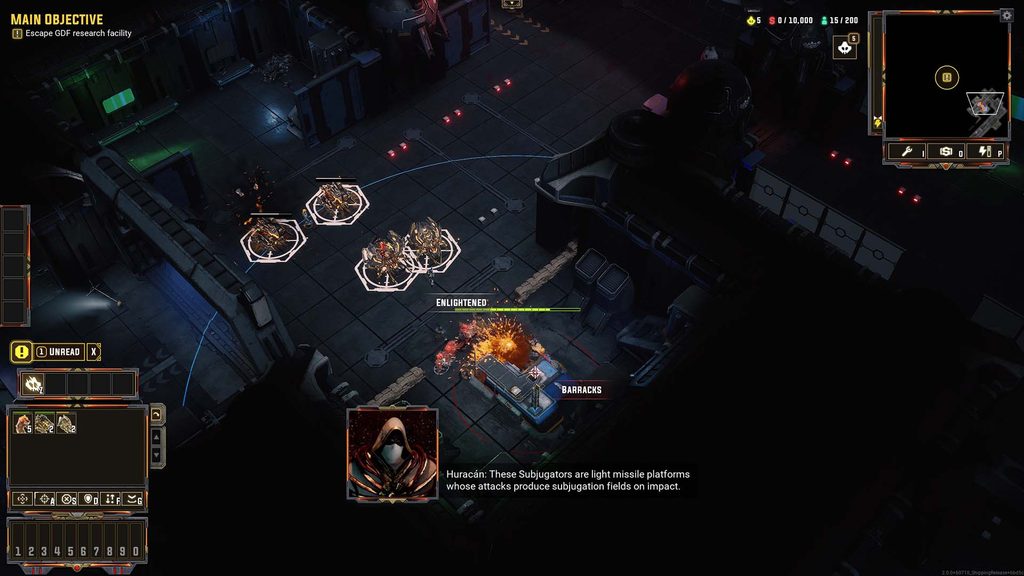
My personal staple tactic of the classic, old reliable tank rush remains a dominant strategy when leveraging early armoured options like Subjugator light combat craft and Warden heavy AOE tanks. Rolling these early armour units directly into an enemy base lays down devastating firepower against turrets and bunkers. However brute force alone won’t secure victory against late-game fortifications without proper combined-arms support. The enemy frequently boxed in their turrets and bases with walls, so if you are concentrating on taking out individual buildings, you need to remember to blast the concrete walls enough to fit tanks through.
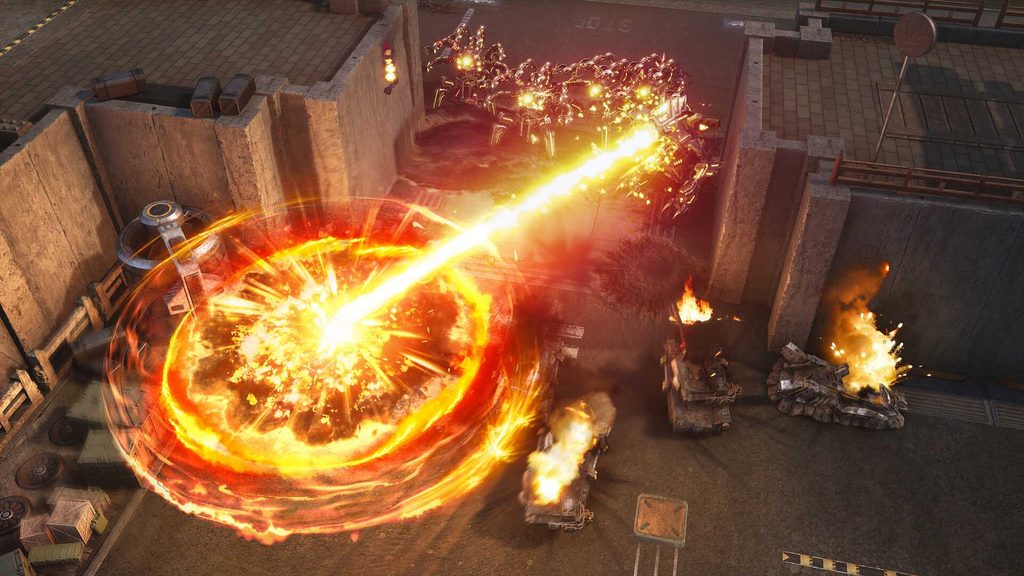
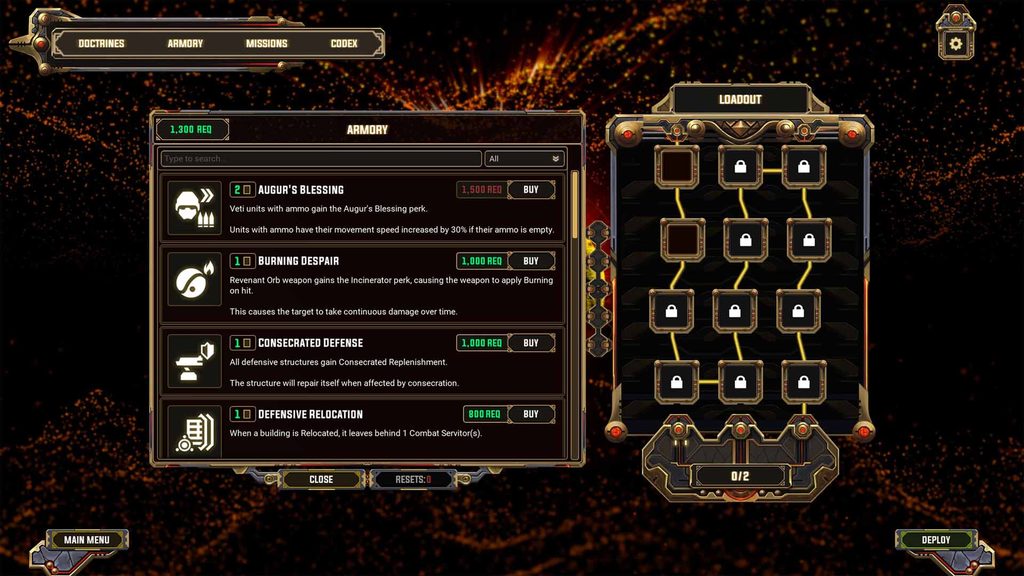
In the opening stages of Tempest Rising: The Veti’s Wrath, these tank pushes were backed up primarily by the first two infantry types, Seekers and Acolytes, created at the Ziggurat. Among these early troops, Ambassadors played a paramount role because they are capable of capturing and holding key neutral structures on the map. They are slow moving, so keeping them protected as your main armour advances is critical to maintaining map control and strategic momentum.
As the campaign progresses and your arsenal opens up, unit composition requires even more careful balancing. Anti-air escorts like Subjugators are a non-negotiable requirement for protecting your heavy armour, as enemy gunships quickly turn unescorted tanks into scrap. The Veti aircraft roster including the Messenger predator craft, offers fantastic mobility for hit-and-run strikes against enemy harvesters, but they are relatively glass canons. Base defences and anti-air infantry will shred airborne units faster than you can dispatch them if they are sent in without ground-level distraction or artillery support.
The first two missions provide a gentle runway to ease players back into the Tempest Rising style RTS groove while introducing the basics of corpse reanimation, building capturing, and tether management. However, mission 3 ramps up the complexity with attacks from multiple fronts while you aim to hold majority of strategic points across the map.
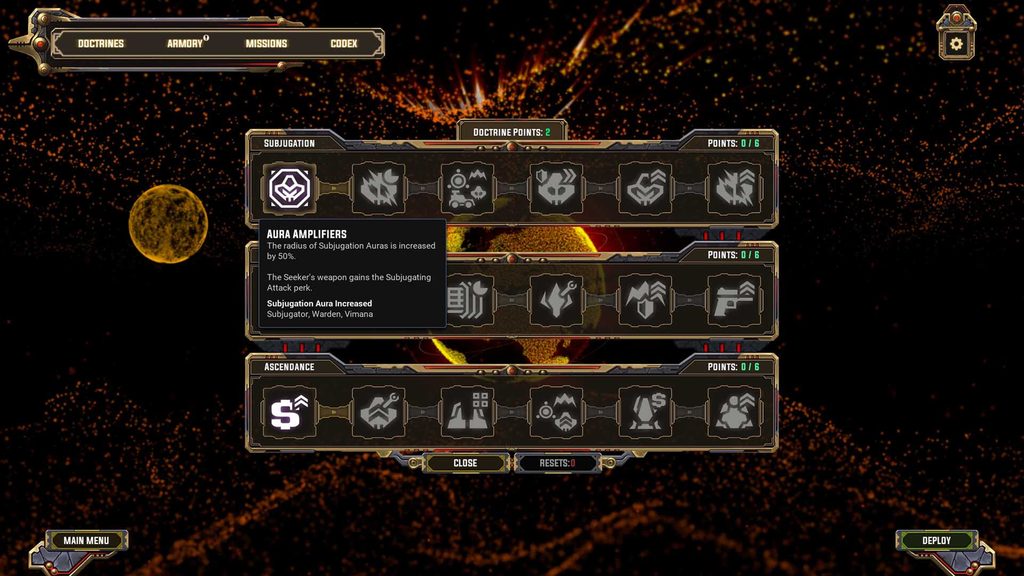
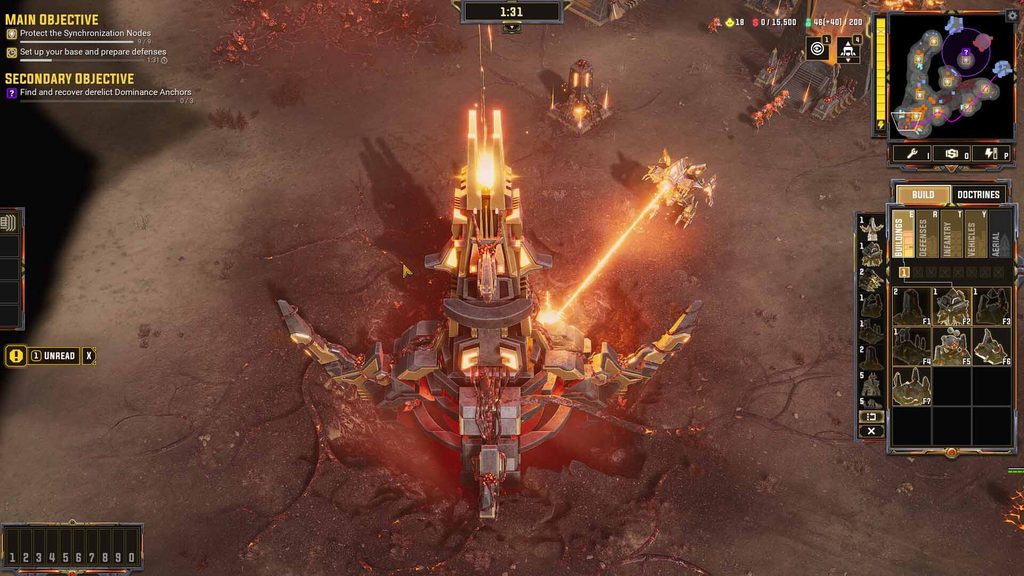
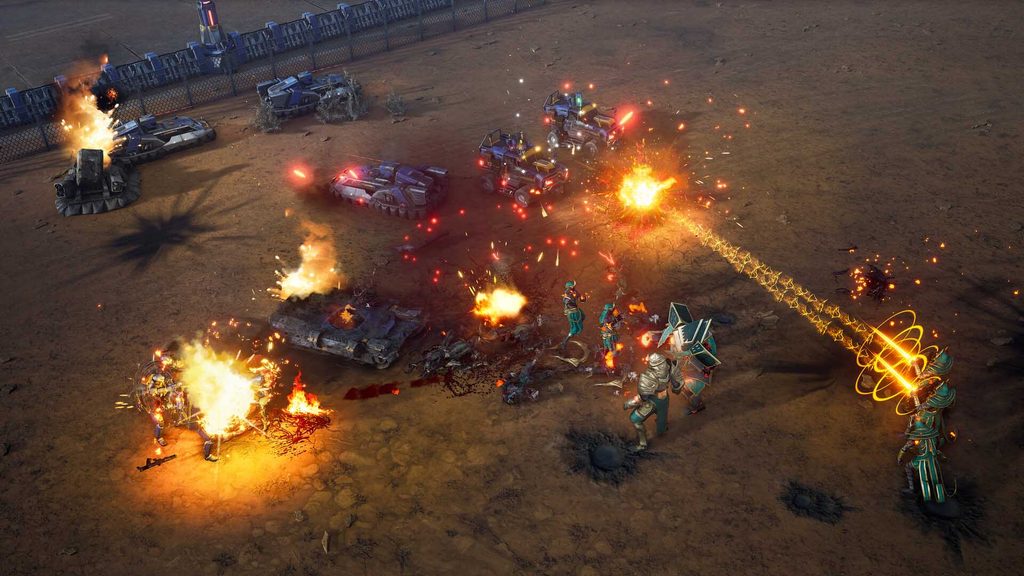
From that point forward, the Tempest Rising: The Veti’s Wrath campaign throws you into complex multi-front warfare. Managing unit sacrifices mid-fight while simultaneously managing resource lines, reanimating fallen casualties, escorting delicate Ambassadors, and defending tethered perimeters against relentless flank attacks demands sharp micro-management and constant map awareness. It serves as a rigorous test of skill that rewards players who master the new faction’s fluid and aggressive nature.
Overall, Tempest Rising: The Veti’s Wrath is an exceptional expansion that delivers everything a third faction campaign should. By blending an engaging story with dark sacrificial gameplay mechanics, Slipgate Ironworks has crafted a new faction that feels unique within the genre. For strategy fans ready to shake off their RTS cobwebs, this campaign is a fantastic, high-stakes ride from start to finish.
This review utilised a key provided by Sandbox Strategies and Tempest Rising: The Veti’s Wrath expansion is available now on Steam.
#roundtablecoop