
 Chris Inglis
World of Warcraft: Midnight marks the eleventh expansion for the long-running MMO and serves as the second chapter of the ambitious Worldsoul Saga, launching worldwide on March 3, 2026 for us in ANZ. Much like the foundation laid in our War Within final review, Blizzard continues to refine the evergreen systems that have defined this modern era of the game. This time, we are brought back to a location steeped in nostalgia and lore: Quel’Thalas. However, this isn’t the static, burning-orange Eversong Woods we’ve known for two decades. The expansion feels like a homecoming that has been thoroughly renovated, offering a level 80–90 journey that is dense and visually striking.
Since Season 1 officially kicked off on March 17 with Mythic+ keystones arriving on March 24, for now I am just looking at the core Midnight experience: the leveling curve, the new Prey system, the reimagined zones, and the general vibe of the world before the seasonal grind begins.

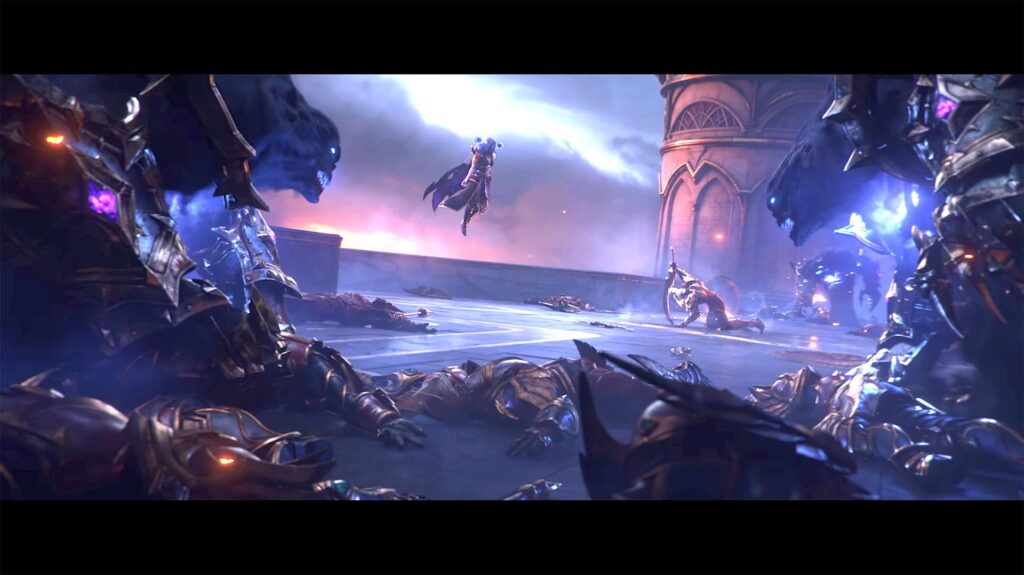
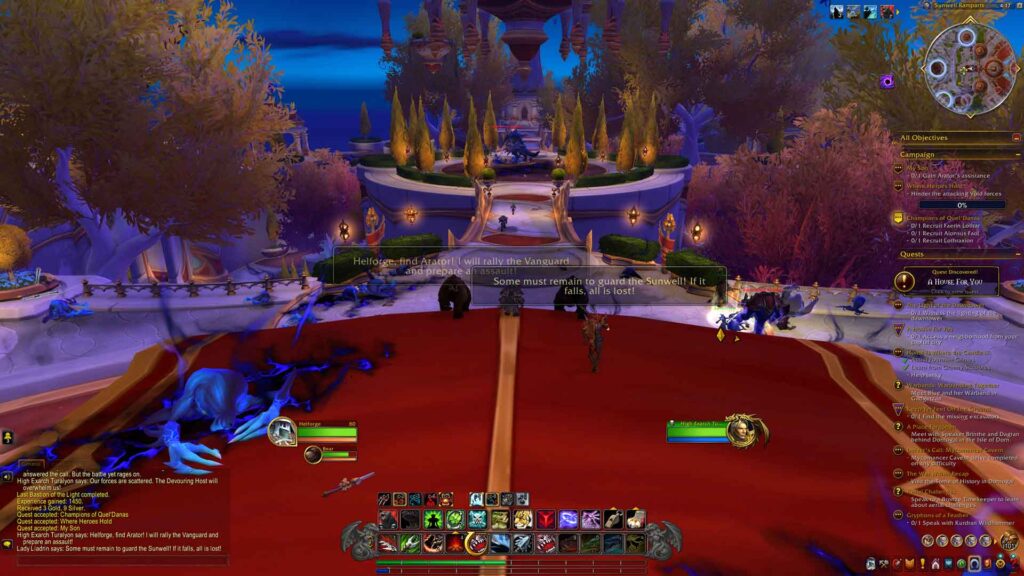
A small but important note for those jumping in, the expansion is strictly tuned for the new cap. I initially logged in on my level 79 Priest, eager to see the new Silvermoon, only to find that the World of Warcraft: Midnight introductory quests simply don’t trigger until you hit the magic number of level 80. Rather than grinding out that last level on the Priest, I hopped over to my Hunter, who was already sitting at 80 and ready to go. It’s a minor friction point, but it confirms Blizzard’s intent to keep the Worldsoul Saga chapters tightly bracketed by level
The quest campaign journey from level 80 to 90 is tight and exciting, though it’s not enough to get you to the level cap finish line on its own. Many players who stick strictly to the main story are finding themselves stranded around level 87 or 88 with no campaign quests left. To reach 90, you’ll need to lean into the expansion’s other features. I found that weaving in a few of the new delves and working on my professions like mining easily filled the gap. If you aren’t the type to clear out your side quests, you might find the brisk pace turns into a bit of a grind for those final couple of levels.

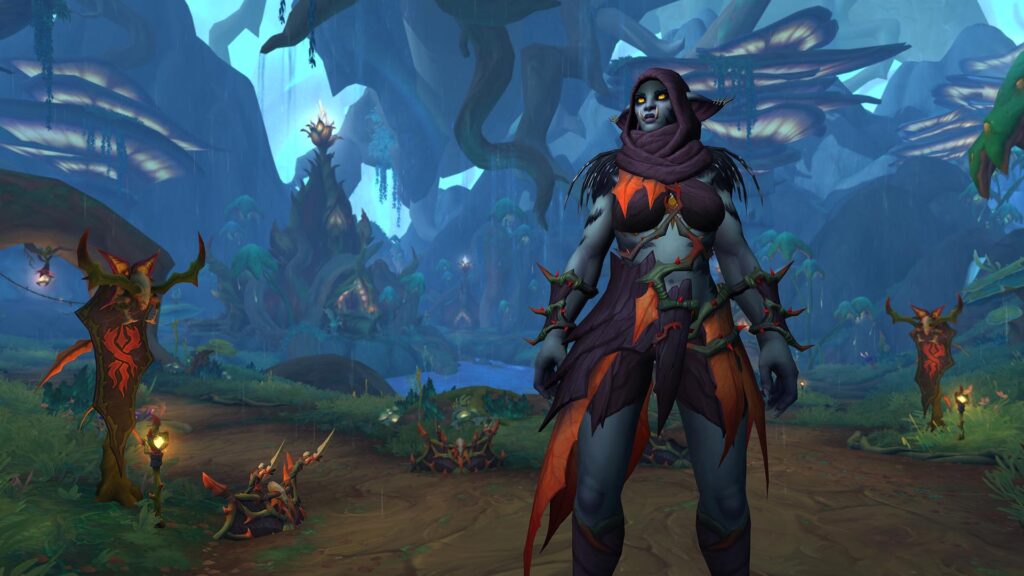
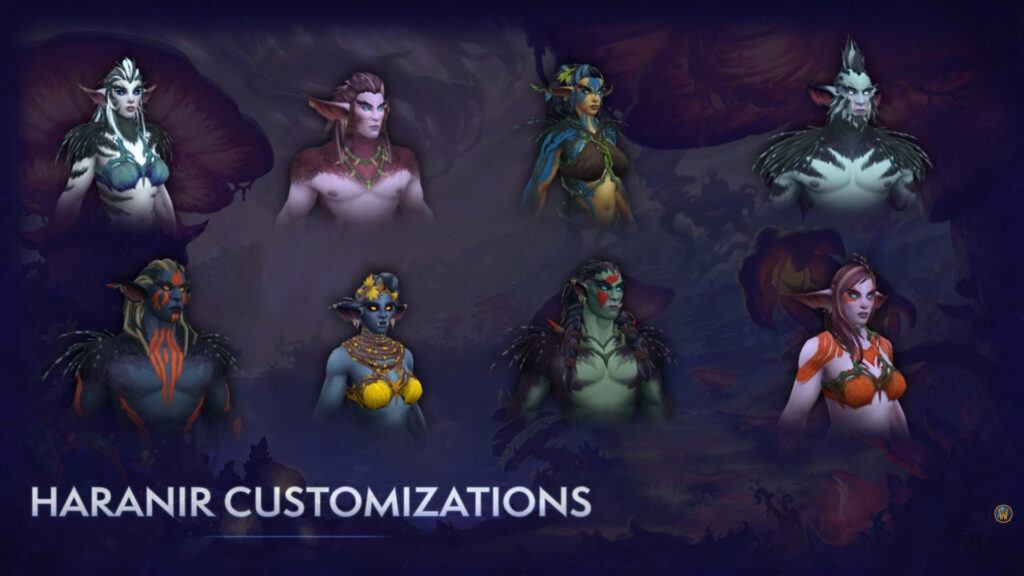
One of the most significant additions to World of Warcraft: Midnight is the Haranir, and just like the Earthen from War Within, they are a neutral Allied Race that bridges the gap between Trolls and Night Elves. The Haranir can play as Druid, Hunter, Mage, Monk, Priest, Rogue, Shaman, Warlock, or Warrior, and are available to both Alliance and Horde.
- Unlocking the Race: You must first complete the Eversong Woods campaign, reach maximum level, and then finish the Harandar zone questline, followed by a short recruitment quest in Silvermoon City.
- Visuals & Customisation: They are stunning. You can customise their tusks, fur patterns, and even “quills” in their hair. Their bioluminescent body paint is a standout feature, especially in the darker areas of the expansion. Haranir Druids have entirely unique models for their shapeshifts (Bear, Cat, Moonkin, Flight, Aquatic, and Treant). Each form has its own customisable sub-options for ear size, nose shape, and fur colour.
Delves return as a core pillar of the endgame, and World of Warcraft: Midnight launches with 10 new locations. One of the biggest changes you’ll notice immediately is the departure of Brann Bronzebeard. In his place, the legendary Blood Elf rogue Valeera Sanguinar joins you as your primary companion. Valeera brings a completely different vibe to your runs. As a Hunter, I found setting Valeera to Healer was the sweet spot. Her Vampiric Reaping creates Blood Orbs you can walk through for quick heals, and her Shadow Veil dispel is a lifesaver in the new Void-themed Delves.
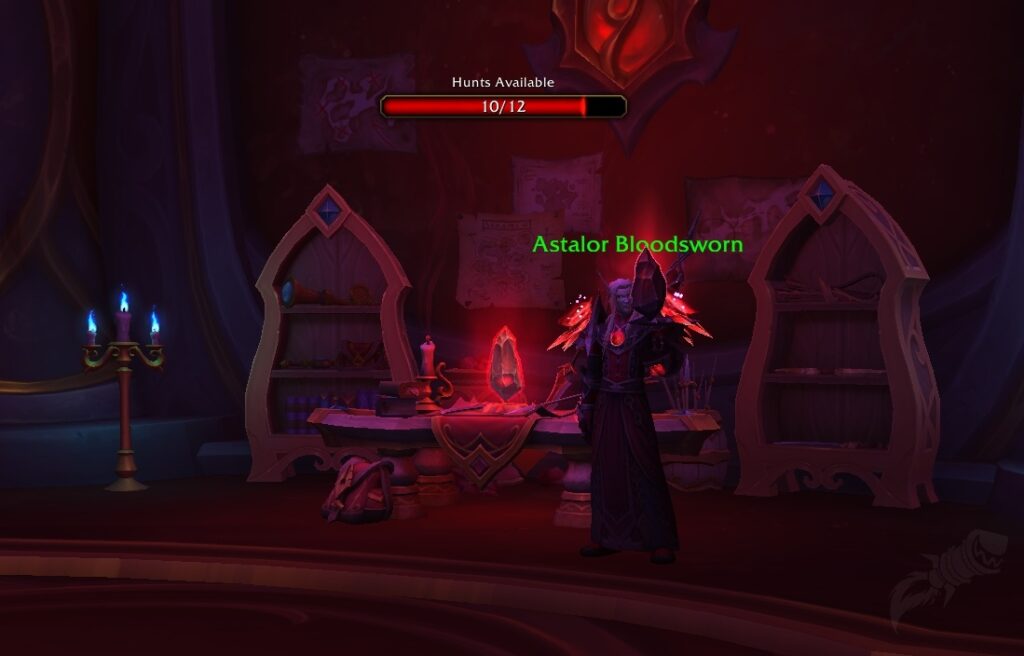
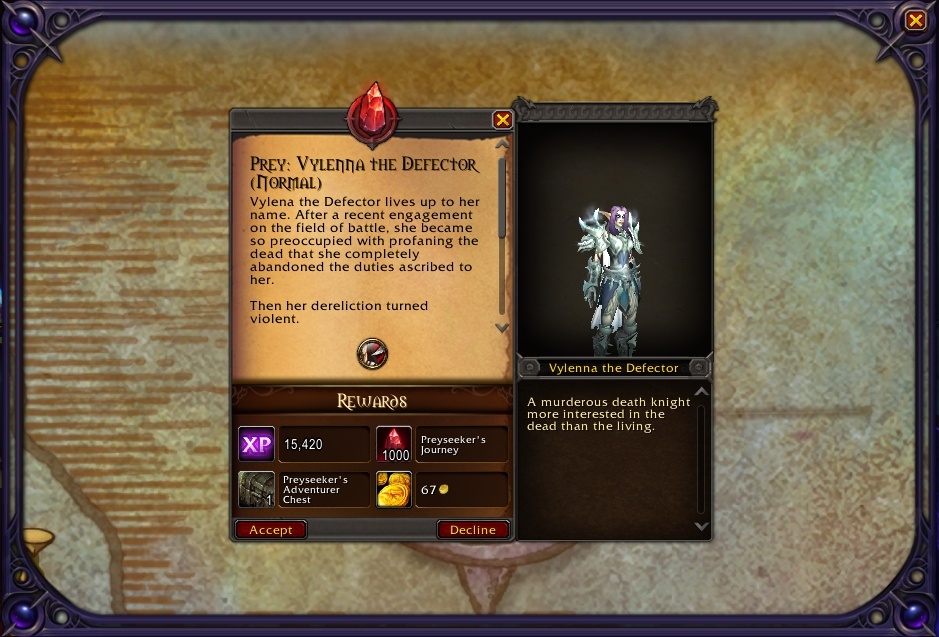
The Prey system in World of Warcraft: Midnight is easily the most innovative addition to world content in some time. Once you reach level 90 and head to Magister Astalor Bloodsworn in Murder Row (Silvermoon City), you will unlock a questline to enable contracts to hunt down prey in each of Midnight’s four explorable zones. This system adds a refreshing layer that makes world content fun and exciting after you have finished the levelling grind. Once you pick a contract and venture out into the selected zone, almost any activity you do whether its world quests, killing rare mobs, or looting treasures, helps Astalor’s magic home in on your prey target. After enough activity, the location is revealed, and you can summon them for a final showdown.
Defeating your prey provides Dawncrests (Midnight’s new upgrade material), Restored Coffer Key shards for your Delves, and progress toward the Great Vault. The system scales across three tiers:
- Normal: Standard difficulty. Other players in the open world can assist you.
- Hard: Introduces Torment, which increases the damage you take by 2% and stacks as the hunt goes on.
- Nightmare: The real challenge. Torment is stronger (4% damage taken, stacking every 60 seconds), and you are forced to go solo—no groups allowed.
The system also offers a deep well of cosmetics, ranging from mana-wyrm mounts to unique player housing décor like boss busts and effigies to show off your kills.
Starting at level 81, you unlock the first of four Apex Talent points. The second node unlocks at Level 84 with the final node unlocking at Level 90. Unlike the Hero Talents from The War Within, these are high-impact, capstone-style nodes added to the bottom of your spec tree that focus on legendary class actions. Each set of Apex Talents will have four talent points to spend across three sequential talents, with two points available for the middle talent in the path. My Hunter for example has the following apex talents:
- Beast Mastery (Nature’s Ally): Bestial Wrath summons an Animal Companion from your Stable to fight alongside you for 15 sec. The summoned Animal Companion obeys your Kill Command, Wild Thrash, and Stomps alongside your other pets. The second talent increases damage of pets by 5% and the third talent increases Barbed Shot and Cobra Shot damage by 15% and increases damage of the next Kill Command by 30%.
- Marksmanship (Take Aim): Rapid Fire damage increased by 25%. Each shot fired from Rapid Fire reduces the cooldown of Aimed Shot by 0.50 sec. The second talent sees Aimed Shot’s critical strike damage is increased by 25% of your critical strike chance and damage of your other ranged abilities is increased by 3%. The third talent changes Aimed Shot to always critically strike.
- Surival Hunter (Raptor Swipe): The first talent does what the third talent does above in making Aimed Shot always critically strike. The second talent sees Raptor Strike, Wildfire Bomb, and Raptor Swipe damage increased by 10%, and Raptor Swipe deals 25% increased damage to its primary target. The third talent sees Raptor Strike now having a 100% chance to upgrade itself to a Raptor Swipe. Raptor Swipes that benefit from Tip of the Spear provoke an additional Strike as One at 300% effectiveness.
You can read more about your class apex talents over at Wowhead.
The Verdict (Pre-Season 1)
Without diving into Mythic+ and raids at this stage, the core offering for World of Warcraft: Midnight is a strong one for both veterans and new players. If you have been away from WoW for some time, Midnight is the expansion to come back for. The nostalgia of Silvermoon combined with modern systems like Apex Talents, the prey system and more delves, makes for an exciting re-entry package. The main story is great but if you were just sticking to the main questlines, be ready to grind out the last few levels. Once you unlock the prey system, it makes the new zones feel dangerous and reactive rather than solely concentrating on dungeon raids. Season one has recently dropped with new raids, Mythic Keystone dungeons, and more so there are plenty more hours to dive into what Midnight has on offer.
This review utilised a key provided by Blizzard ANZ and World of Warcraft: Midnight is available now.
#roundtablecoop




 Daniel Agius