Chris Inglis
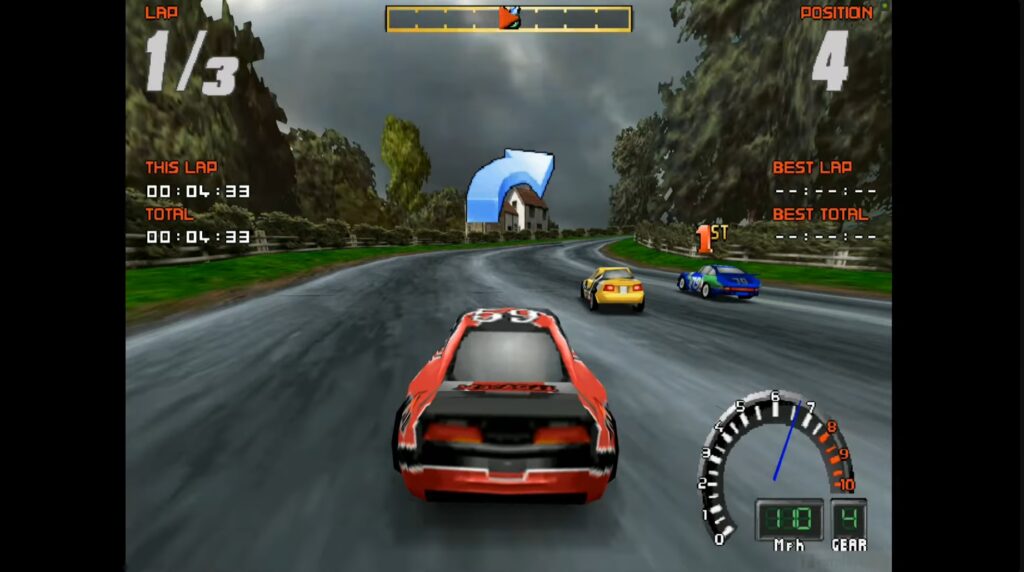
The 90s were a different beast for racing fans, defined by the frantic, pixelated rush of arcade racing games like Need for Speed and Daytona. It’s been decades since a mate and I spent hours huddled over the Screamer 2 demo in 1996, trading blows in a relentless loop of race after race, trying to shave milliseconds off each other’s lowest times on that handful of available tracks.
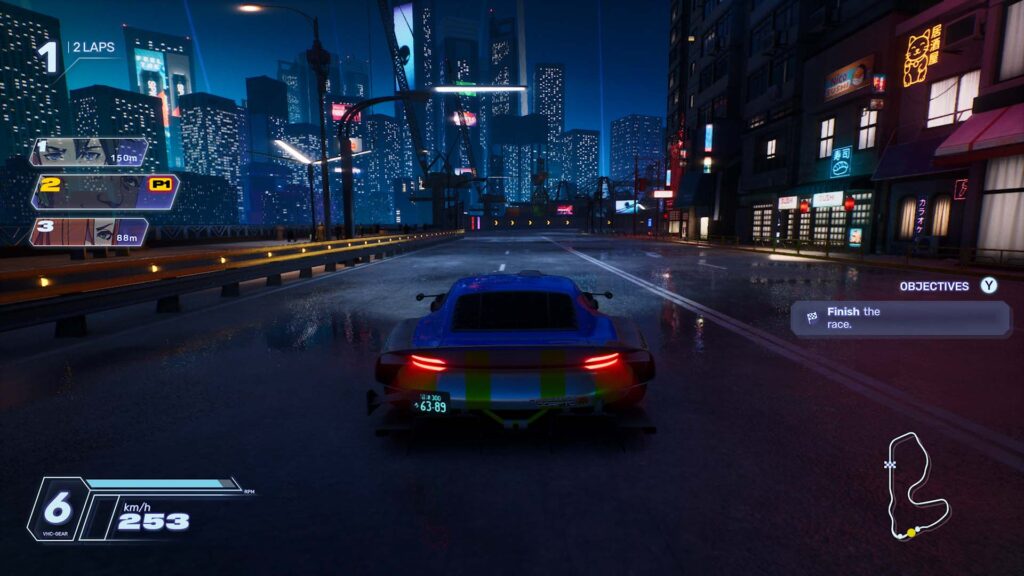
Fast forward more than 30 years and the spirit of that classic IP is finally back. Developed by Milestone SRL and launching March 26 on PC and consoles, the new Screamer isn’t a direct sequel, rather a complete cyberpunk reimagining. It swaps the 90s rock vibes for a sharp anime aesthetic, where the stakes go beyond the podium as drivers race for glory, power, or cold-blooded revenge in the neon-drenched streets of Neo Rey.
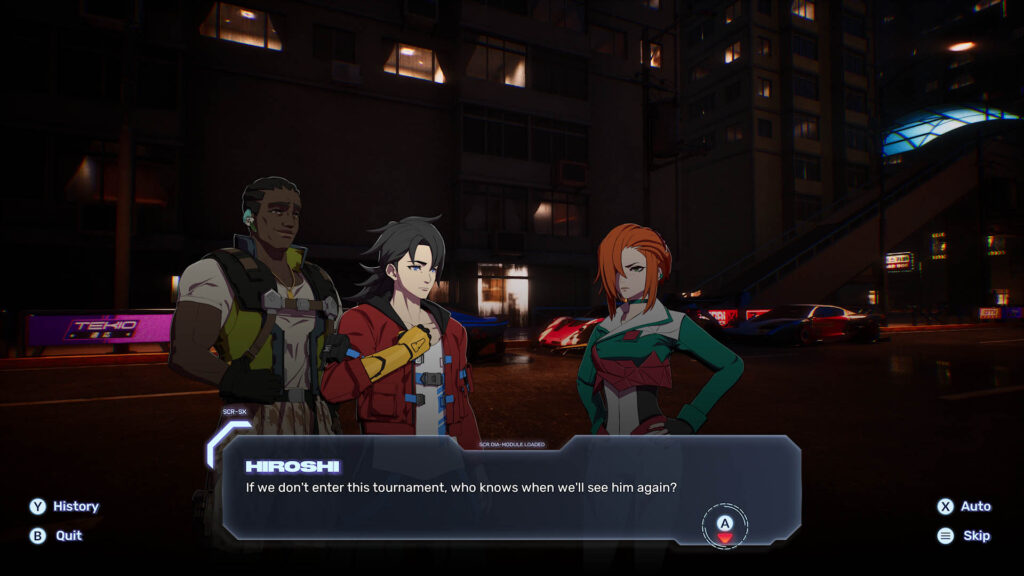
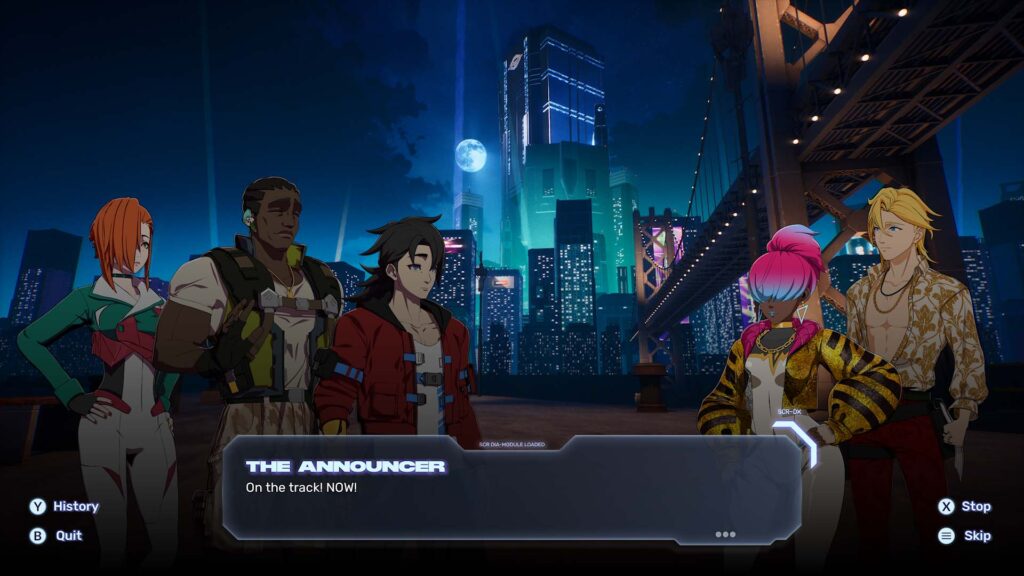
Screamer features a heavy use of narrative storytelling and is a striking departure from the faceless protagonists of the 90s. Milestone has leaned into a high-budget anime aesthetic with animations that perfectly nail the cyberpunk grit. The story provides a compelling “why” behind your journey, justifying the hop between factions as you unlock signature vehicles, body kits, and vibrant spray colours for the garage and arcade modes.
However, the storytelling takes a cinematic approach that is a bit of a double-edged sword. In a bold nod to realism, characters speak their native languages (Japanese, French, etc), requiring heavy reliance on subtitles. While this adds incredible global flavour, it demands your undivided attention. If you’re a skip the chatter type of racer, you’ll quickly find yourself disconnected from the plot. It’s a rewarding experience if you soak in the atmosphere, but the transition from 200km/h racing to multilingual reading can be a jarring shift in momentum, especially in the first few chapters where you are introduced to the gameplay mechanics.
In terms of gameplay, Screamer is classed as a twin-stick racer. The left stick handles your primary steering, tick. However, the right stick independently controls your drift angle. It’s a steep learning curve with me scraping the walls a lot and losing speed and race places often. Once it clicks though, you can pull off some precision drifting to get you caught up to the pack. Initially I thought having to hit left button to shift gears was annoying when I’m in an automatic car, but it actually makes the racing feel more interactive rather than just holding A and steering alone.
The core racing gameplay revolves around the ECHO System which is a futuristic tech that turns every race into a resource-management battle. You have two primary meters to juggle:
- Sync (Blue Meter): Accumulated by maintaining top speed and nailing active gear shifts (tapping left button on the controller once the RPM meter flashes gold). This powers your Boosts.
- Entropy (Pink Meter): Generated by spending your Sync. This powers Strikes, offensive manoeuvers used to KO rivals, as well as shields. Your screen will flash orange to red as an enemy vehicle approaches, allowing you to active shields at the last minute if you have enough built up.
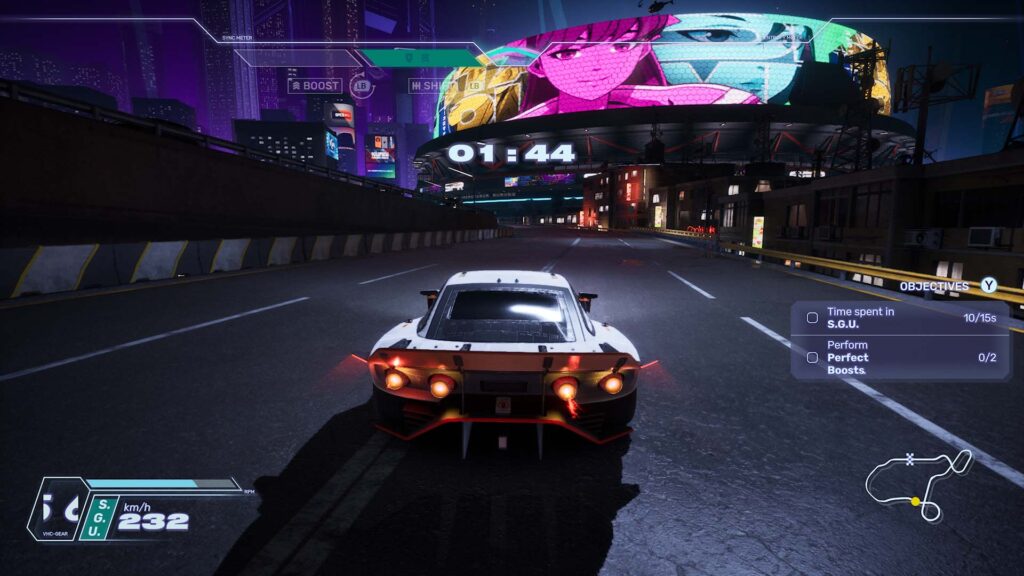
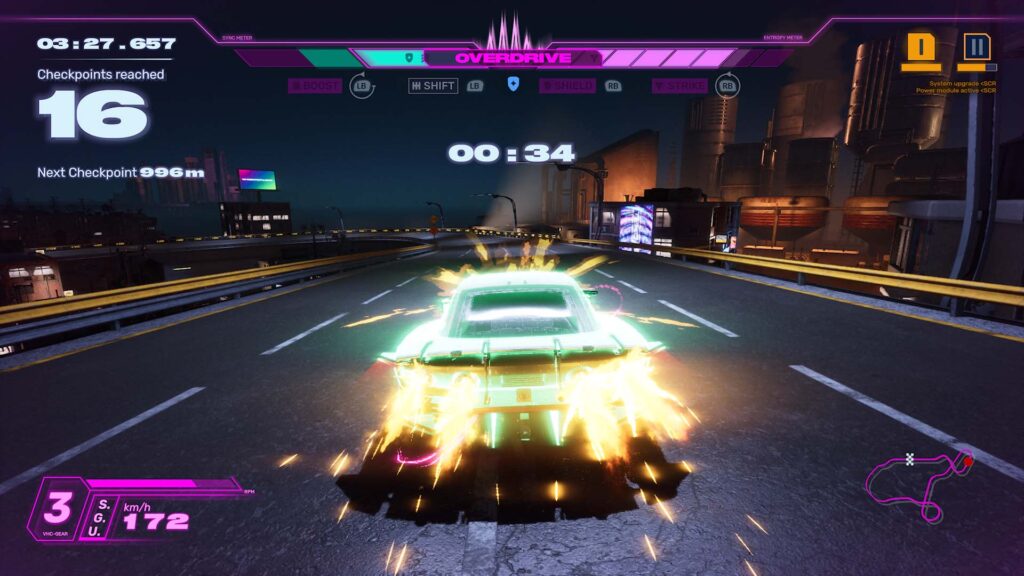
Power boosts were something I struggled with, and chapter 1 episode 8 is a stopping point until you can master it. Once you have built up enough sync, boost becomes available. Holding down left button will allow you to boost and a meter shows in the middle of the screen. There is a small yellow triangle at the centre, and your aim is to let go of left button just before the meter hits the yellow button. It took me around 12 goes at it but I finally nailed it with the car showing green sparks on success, but it halts your tournament progress until you master it. Maxing both sync and entropy bars grants overdrive which is activated by pressing both sticks down and provides you with invincibility and massive speed. There is a catch though – if you clip a wall, you don’t just slow down, your car instantly self-destructs.
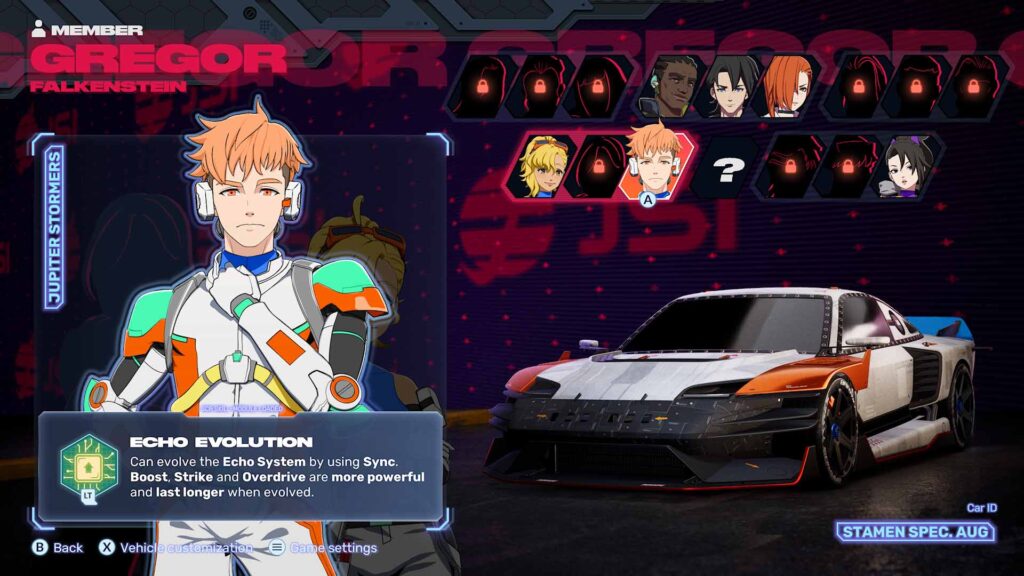
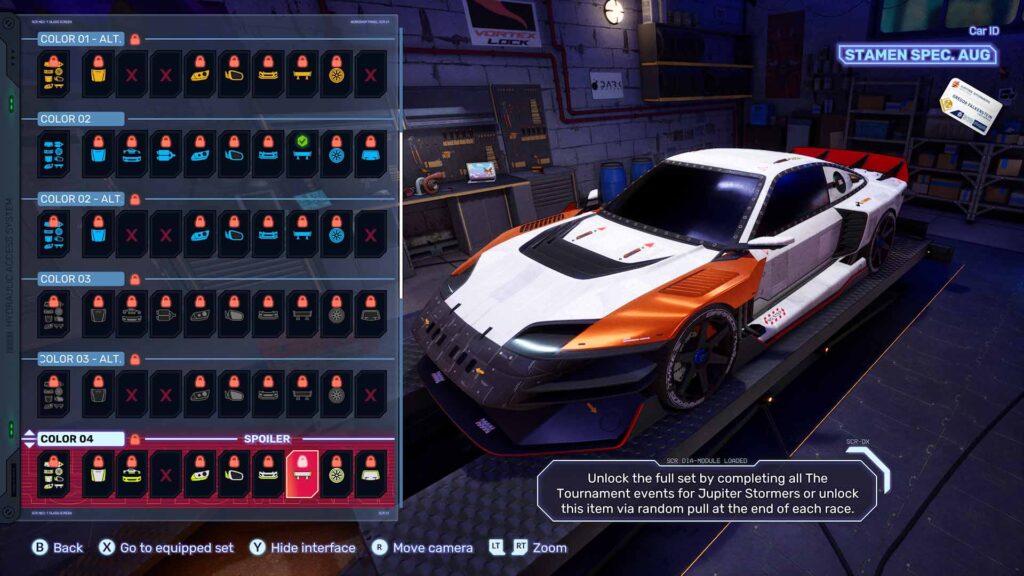
Visually, the game is a knockout, powered by Unreal Engine 5. The high-budget anime cutscenes and character art produced by Polygon Pictures give the 15 main hero characters distinct personalities. While there’s no engine tuning, Gage’s Workshop allows you to swap aero kits, wings, side mirrors, and more. Each car belongs to one of five factions—like the scrappy Green Reapers or the polished Strike Force Romanda—and each driver has unique Hero Perks that influence how quickly your Sync or Entropy builds.
Overall, Screamer will appeal to most arcade racing fans and is a bold reboot of the 90’s classic arcade racer. It trades realism for a 20-hour, narrative-heavy and neon-fused campaign that is entertaining and engaging to play. There are different game modes to change up the tournament racing as well as a heap of cosmetic upgrades to unlock for character vehicles. While it moves away from the setting of the original games, it successfully resurrects the soul of the franchise for current generation racers.
This review utilised a key provided by Plaion ANZ and Screamer launches on March 26, 2026, on Steam, Epic Games Store, Xbox and PlayStation.
#roundtablecoop



 Daniel Agius